Scroll down past the text for photos...
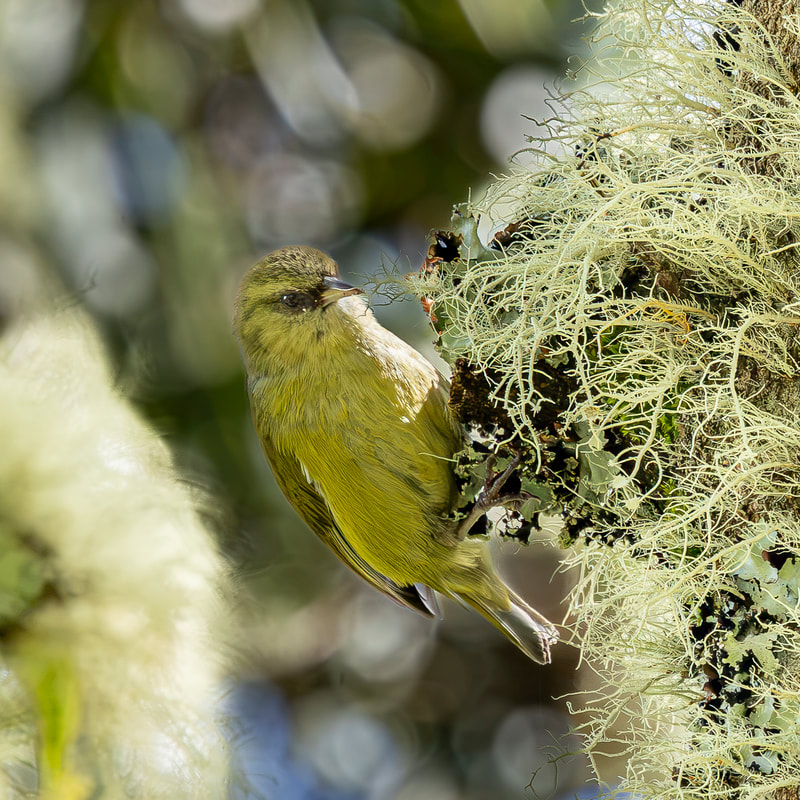
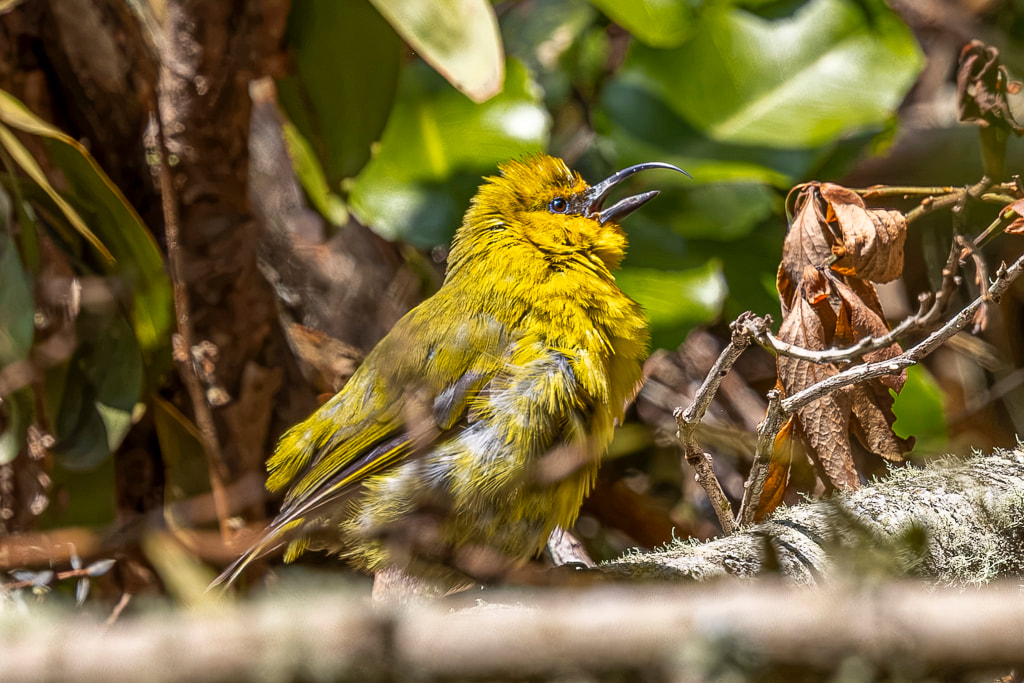
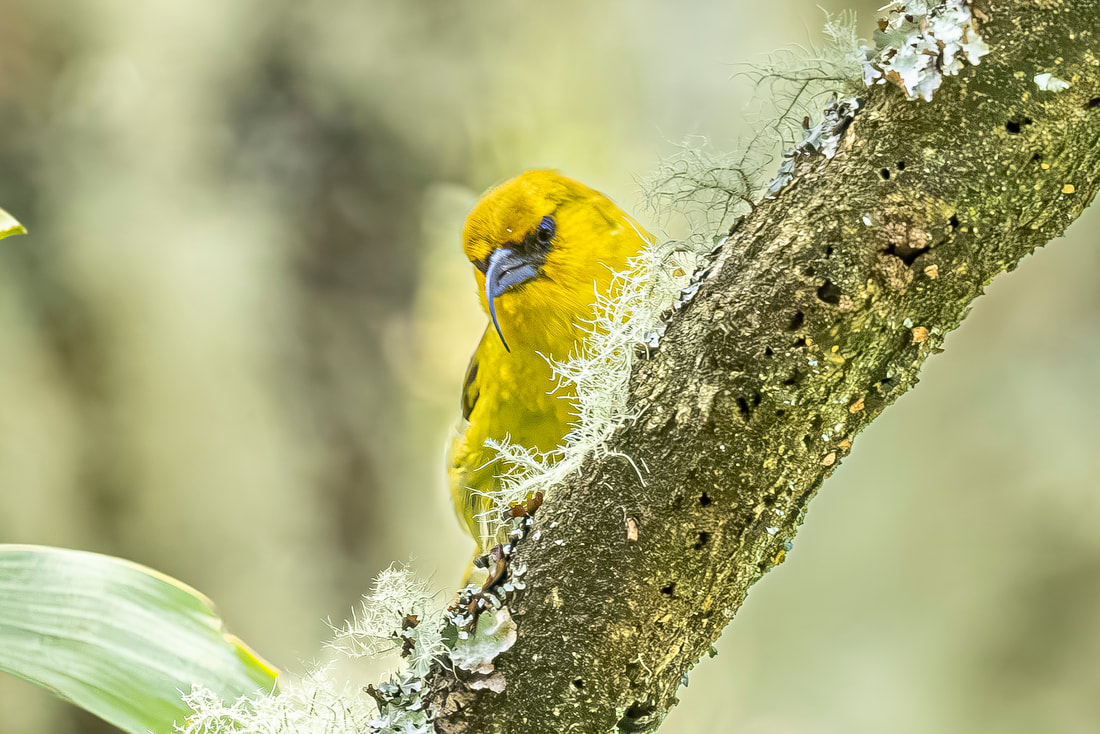
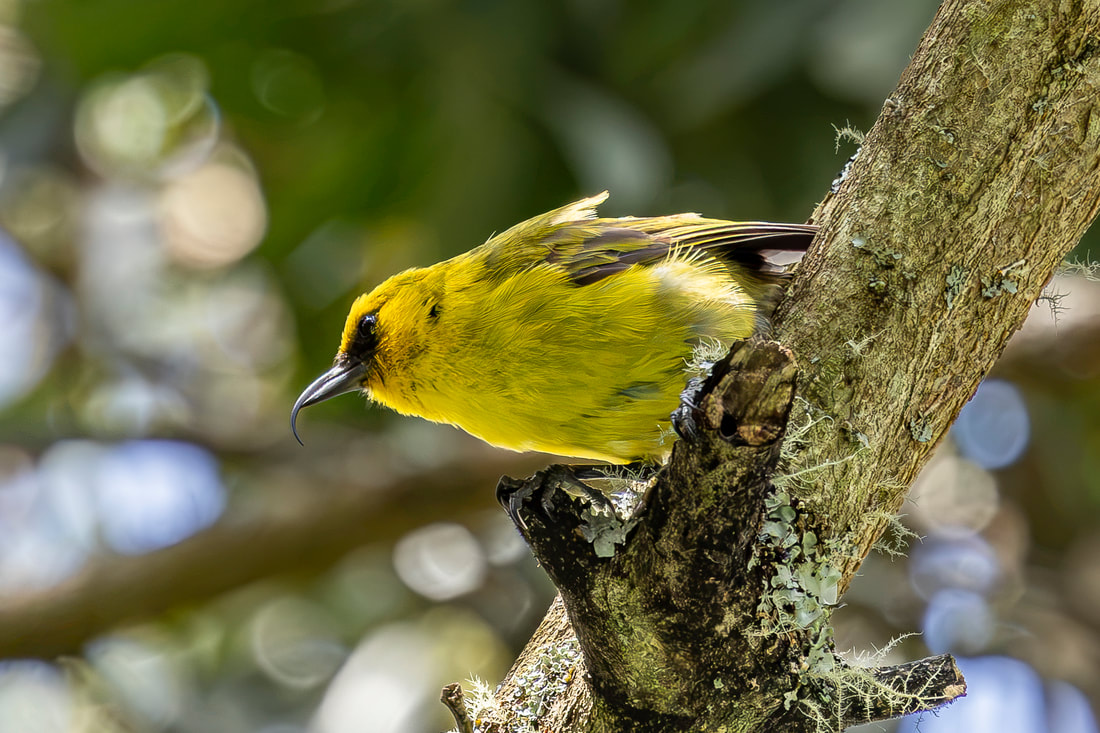
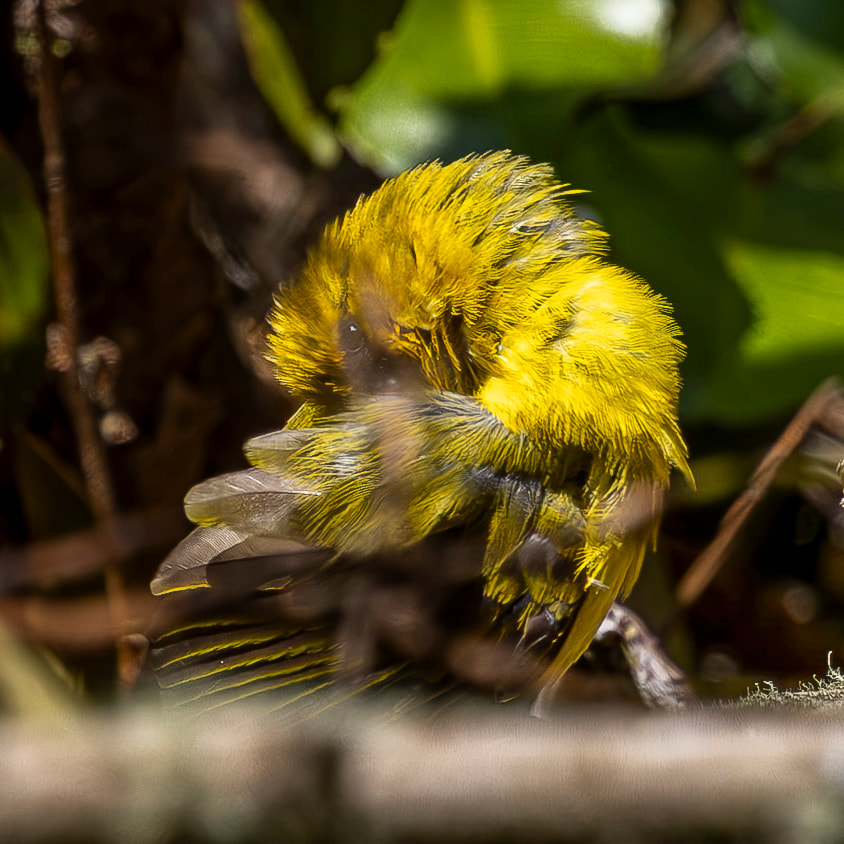
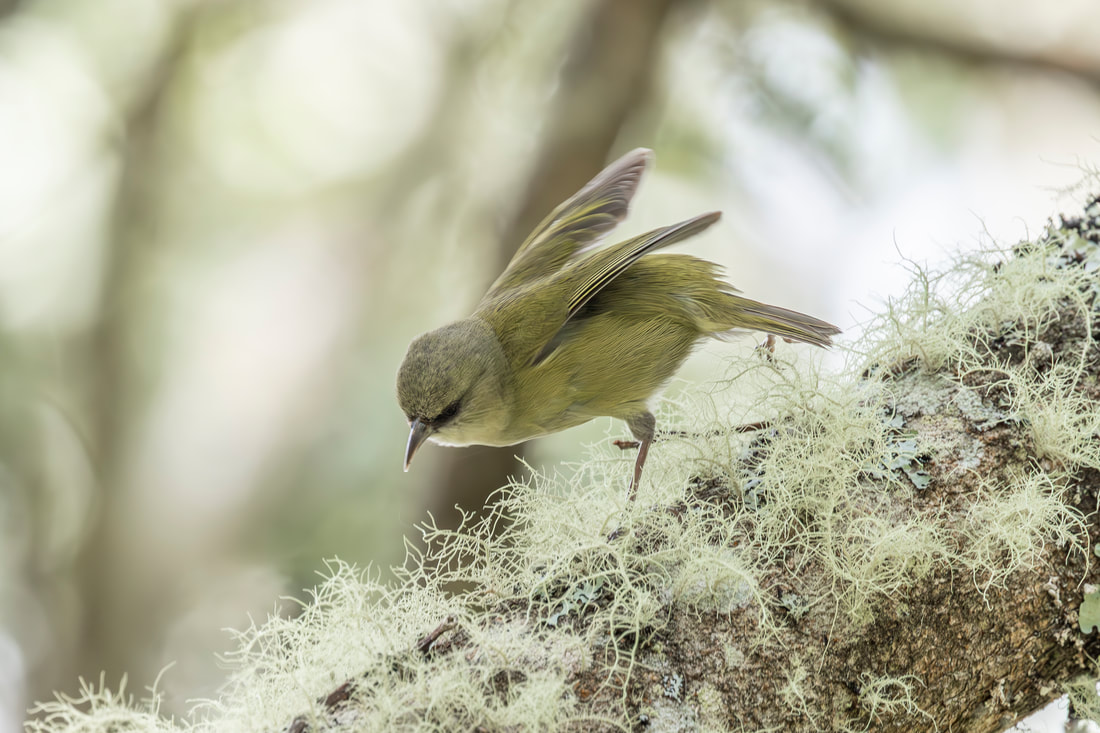
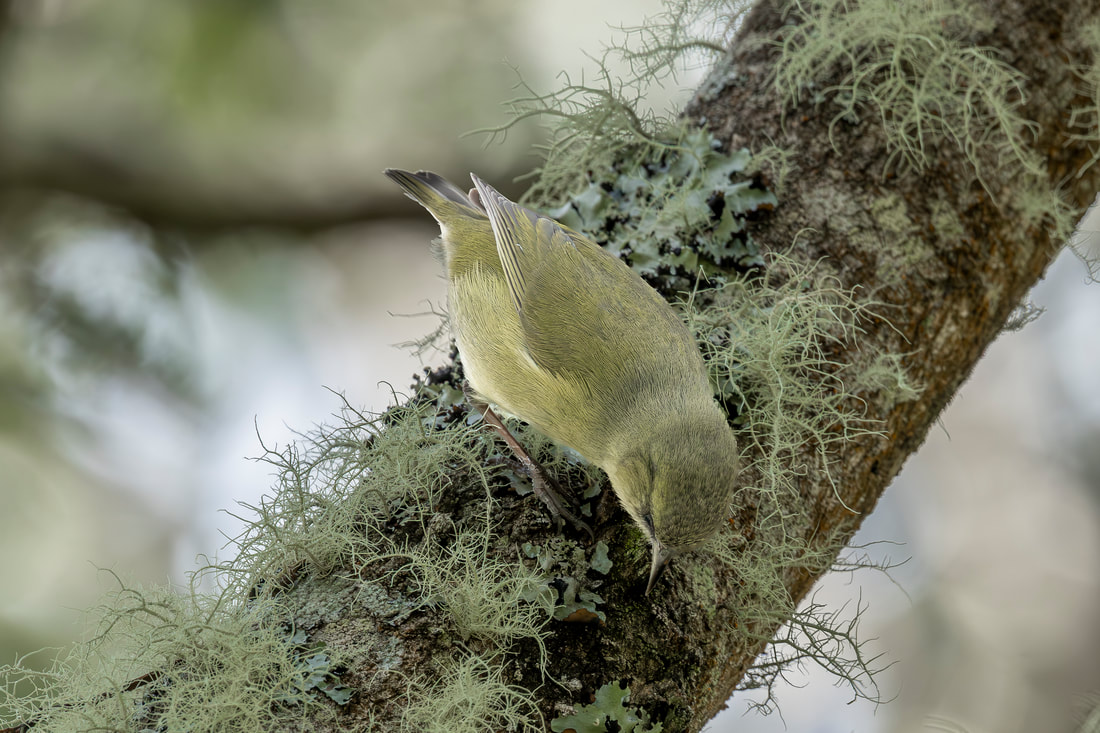
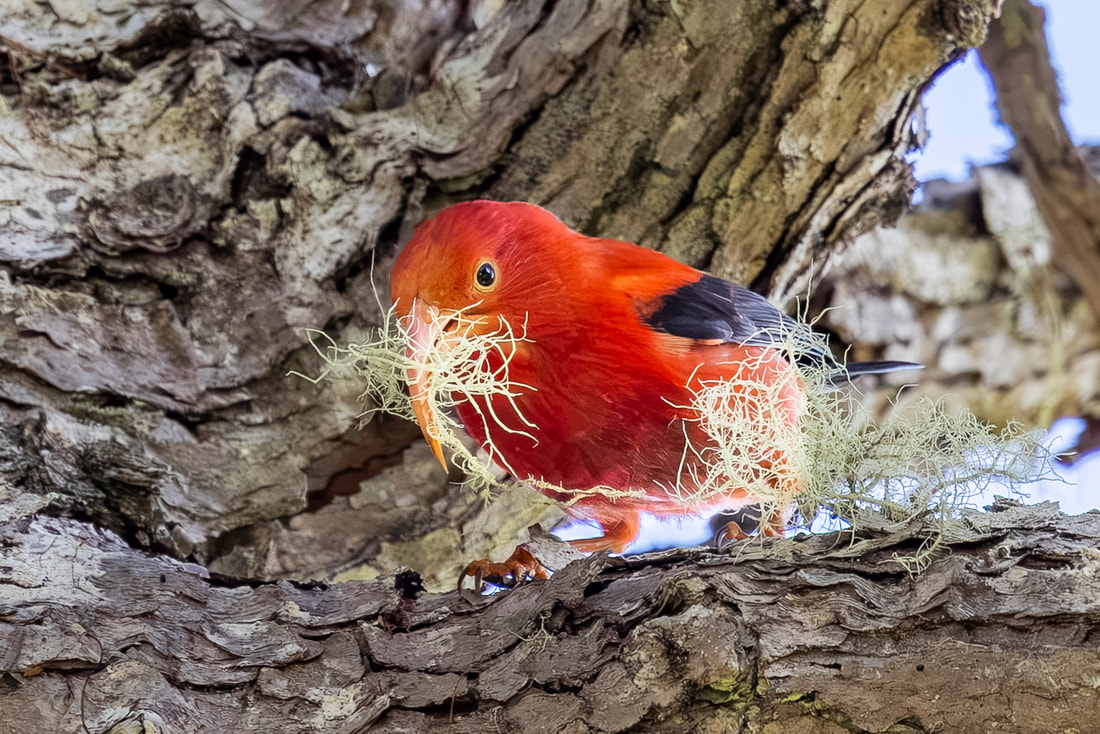
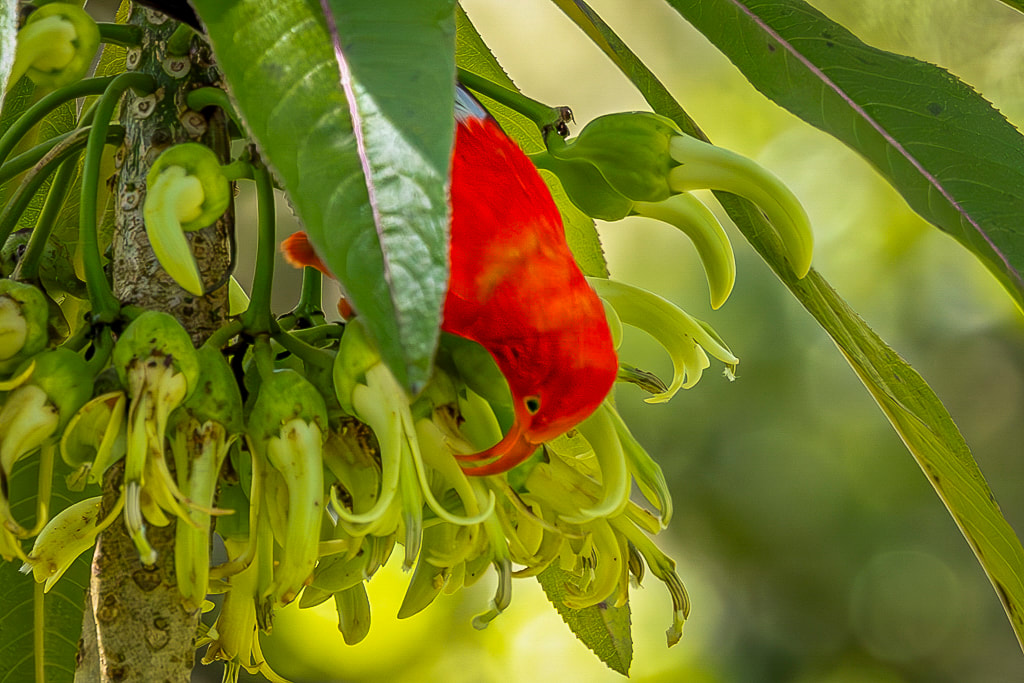
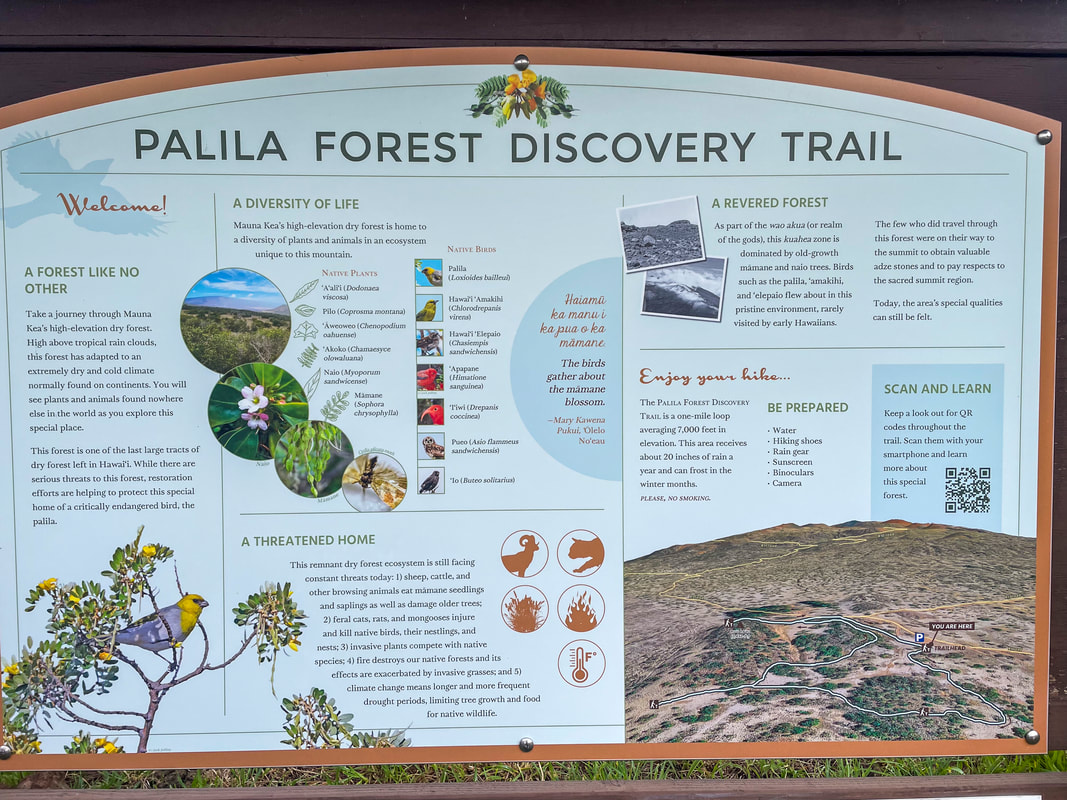
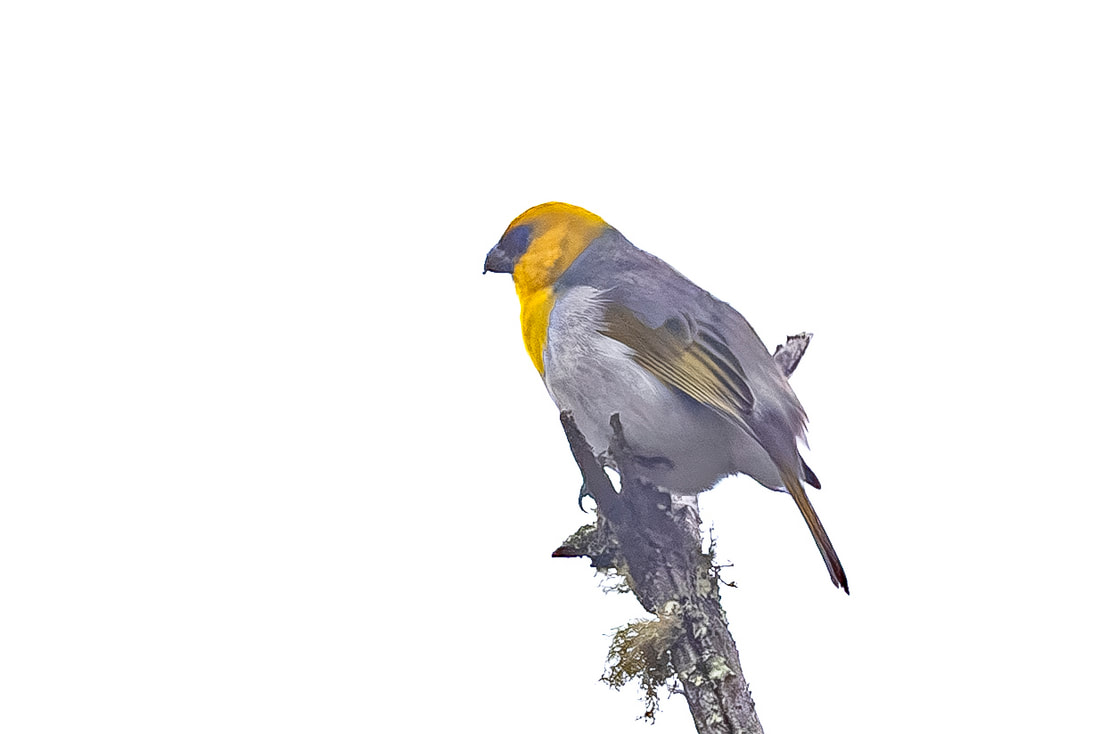
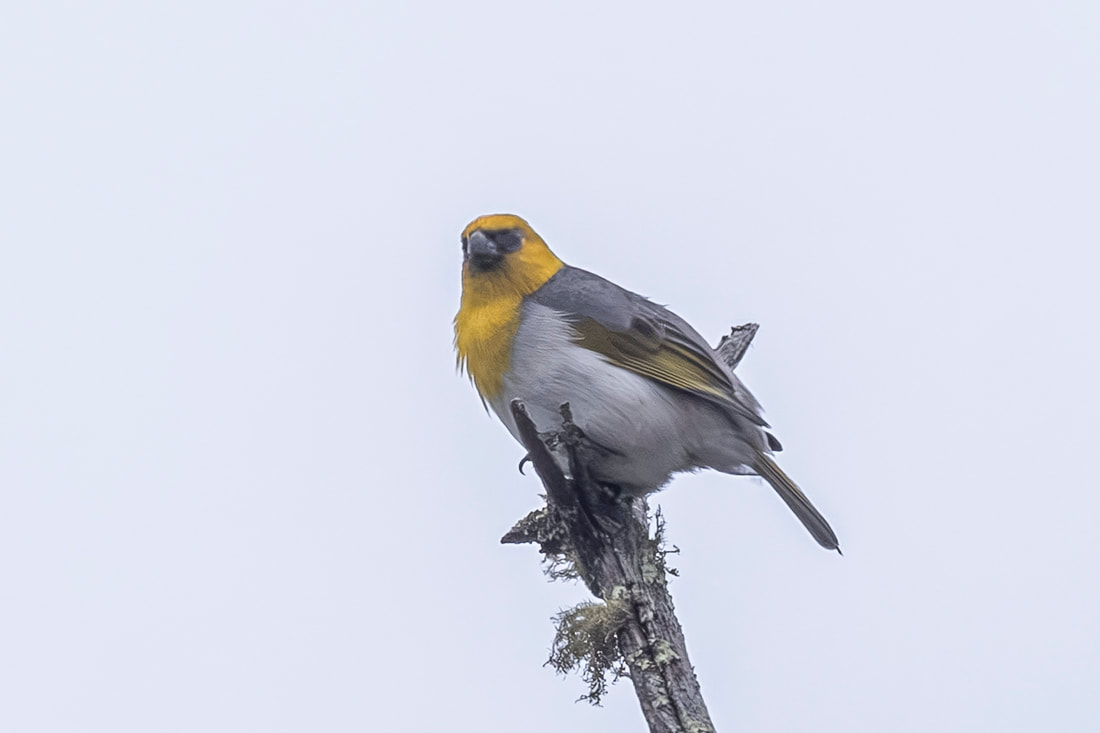
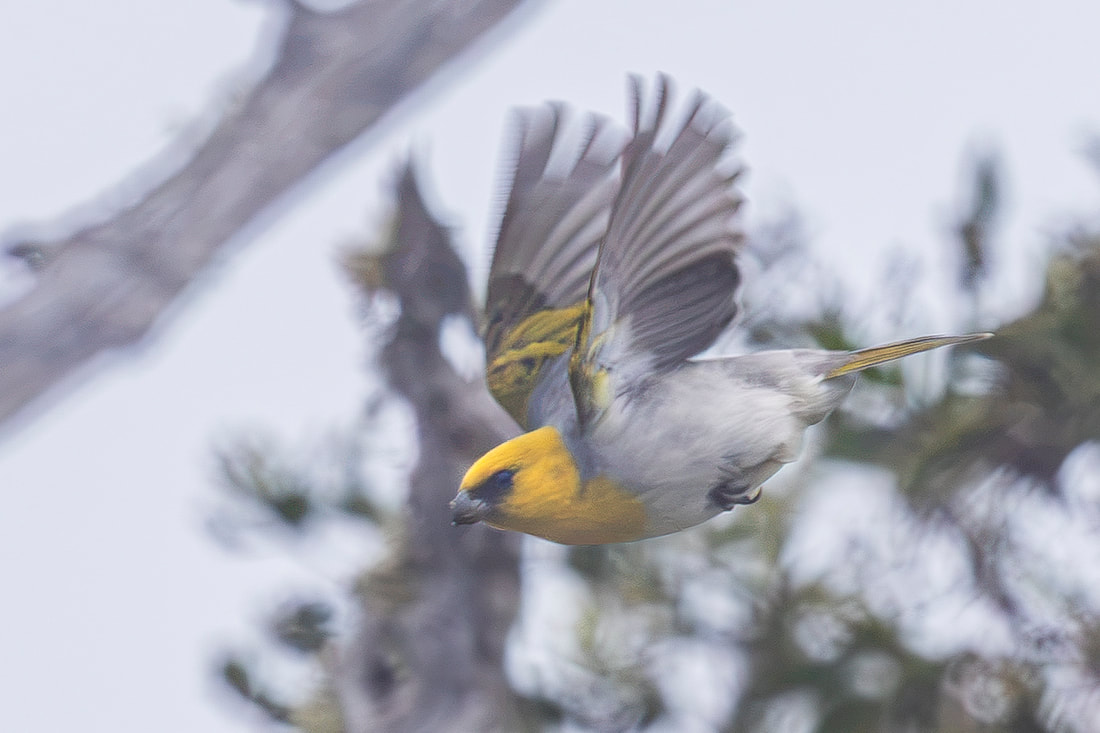
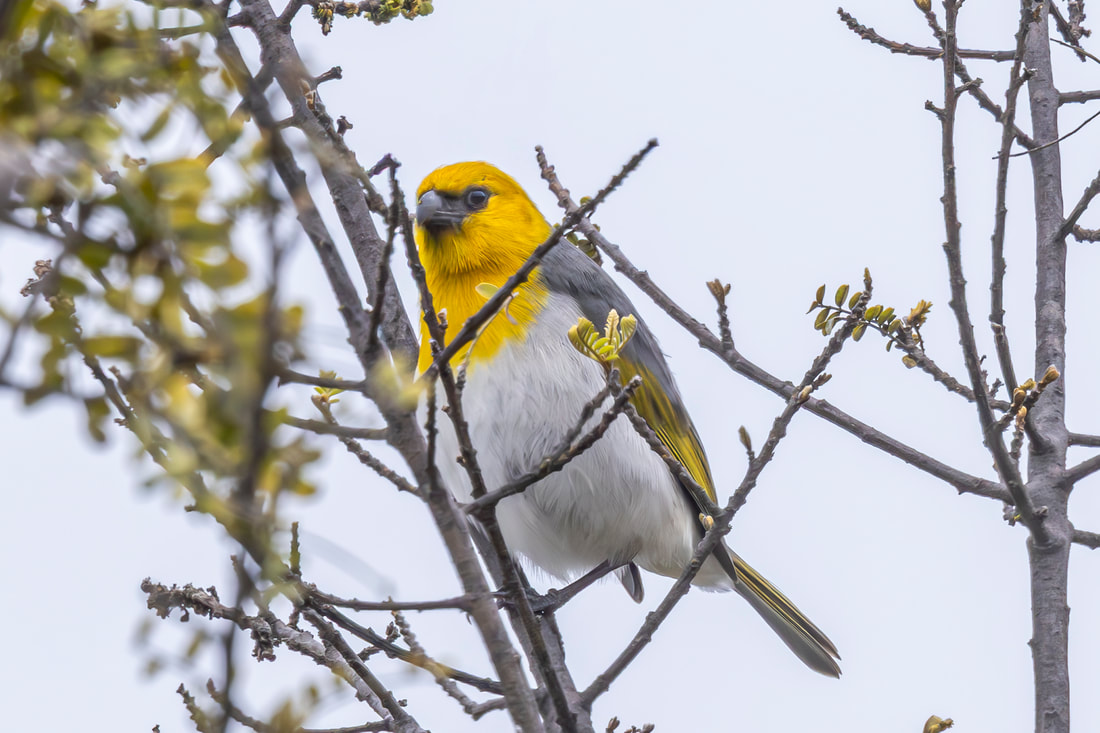
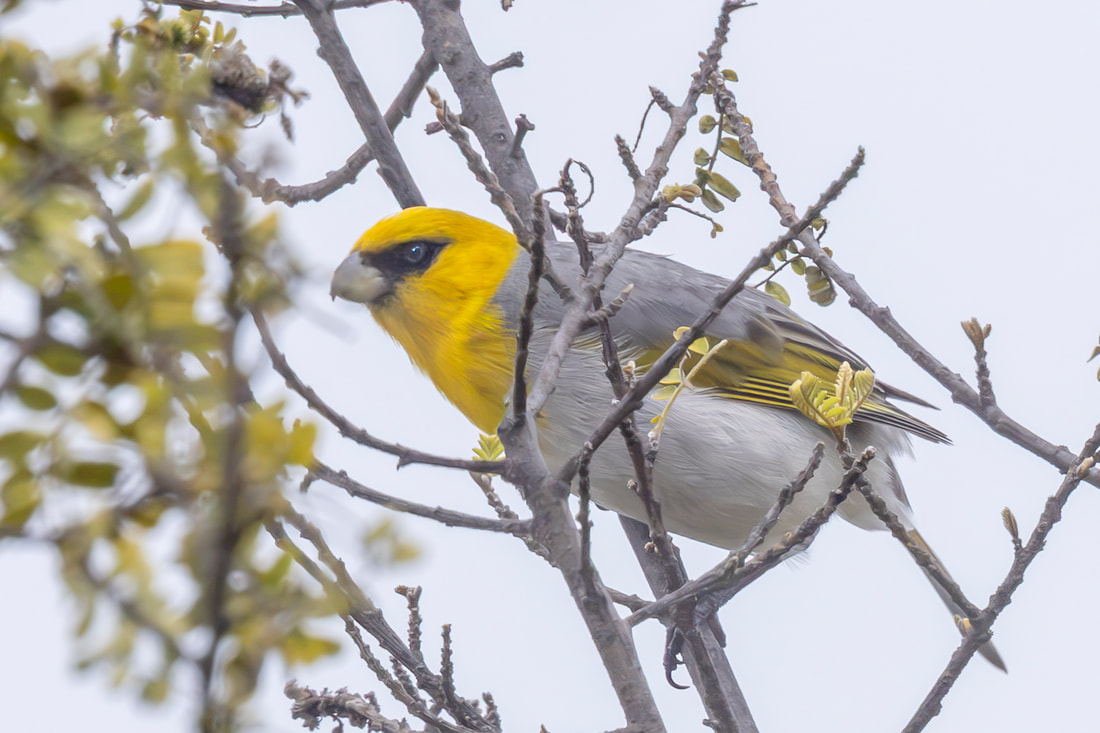
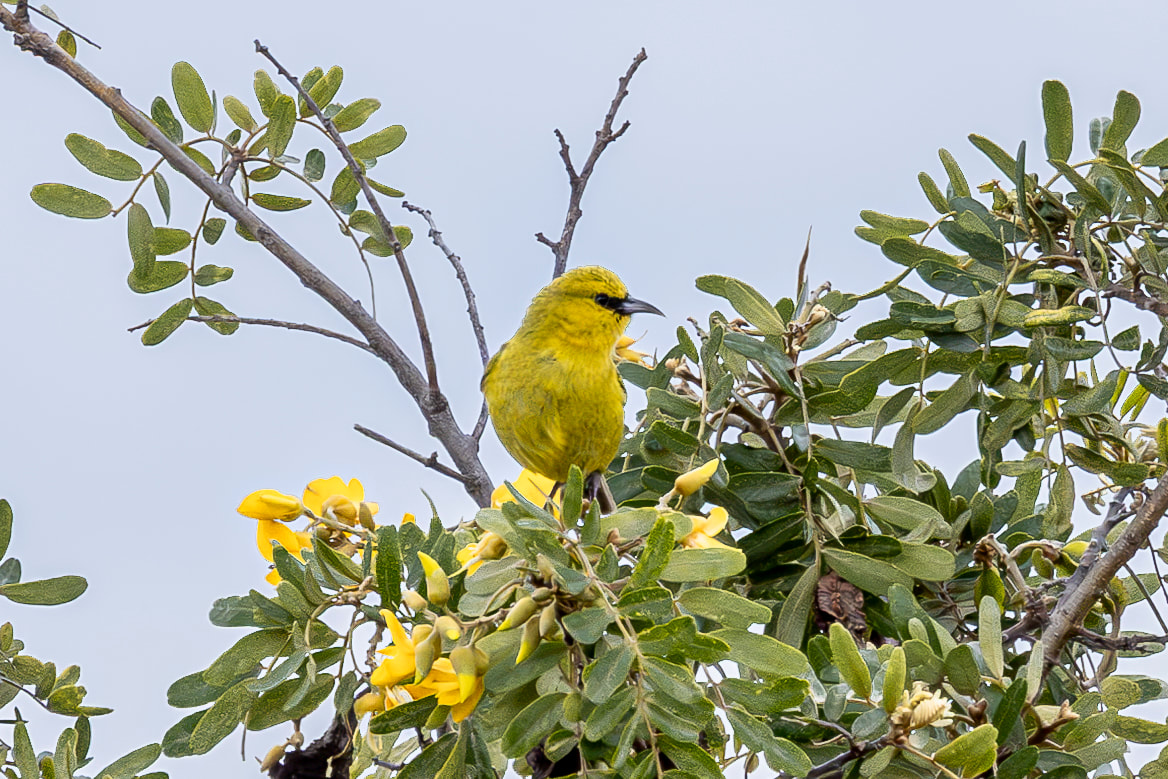
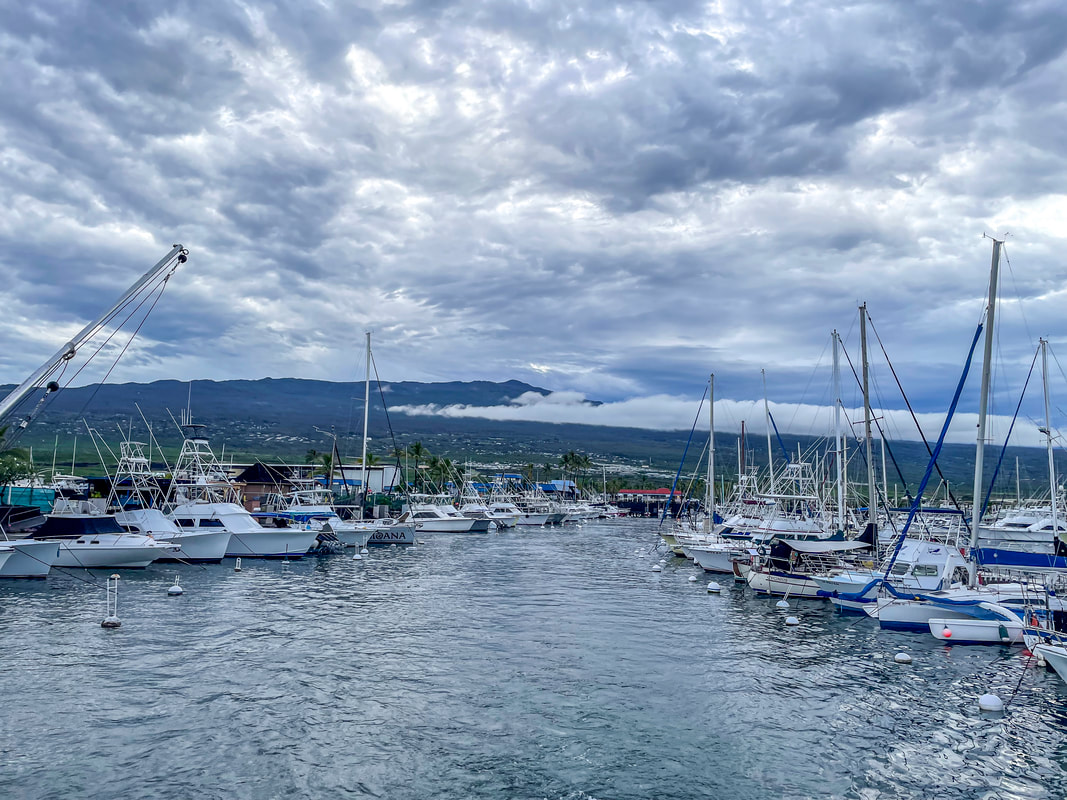
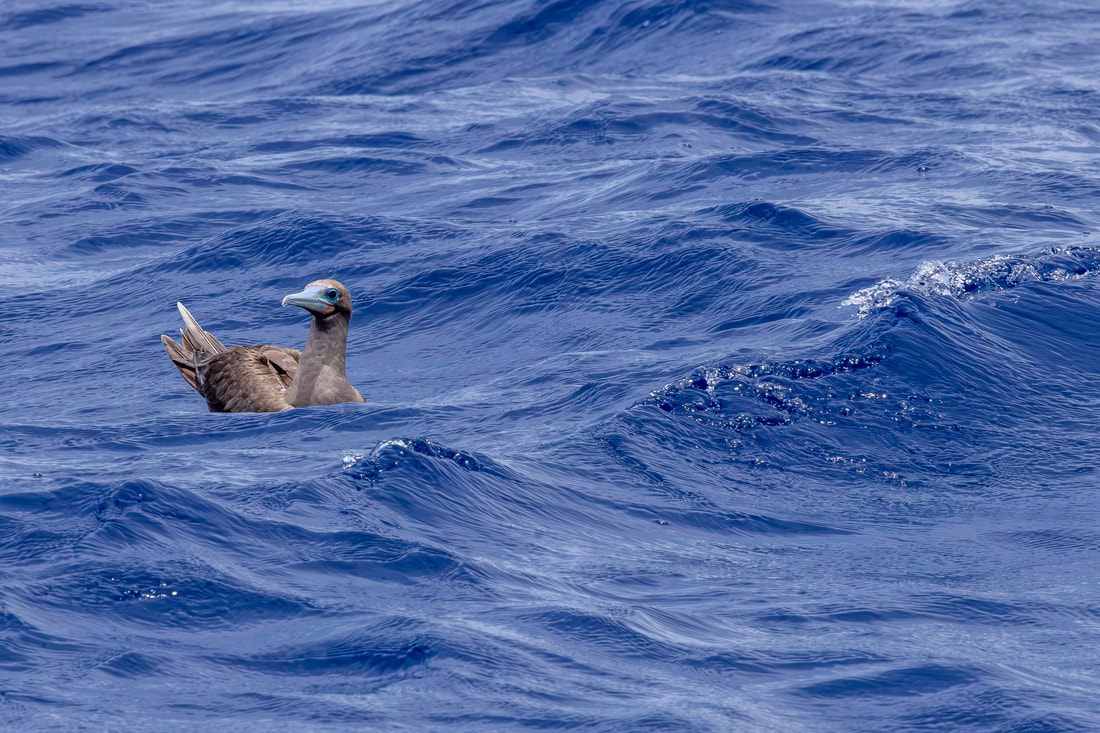
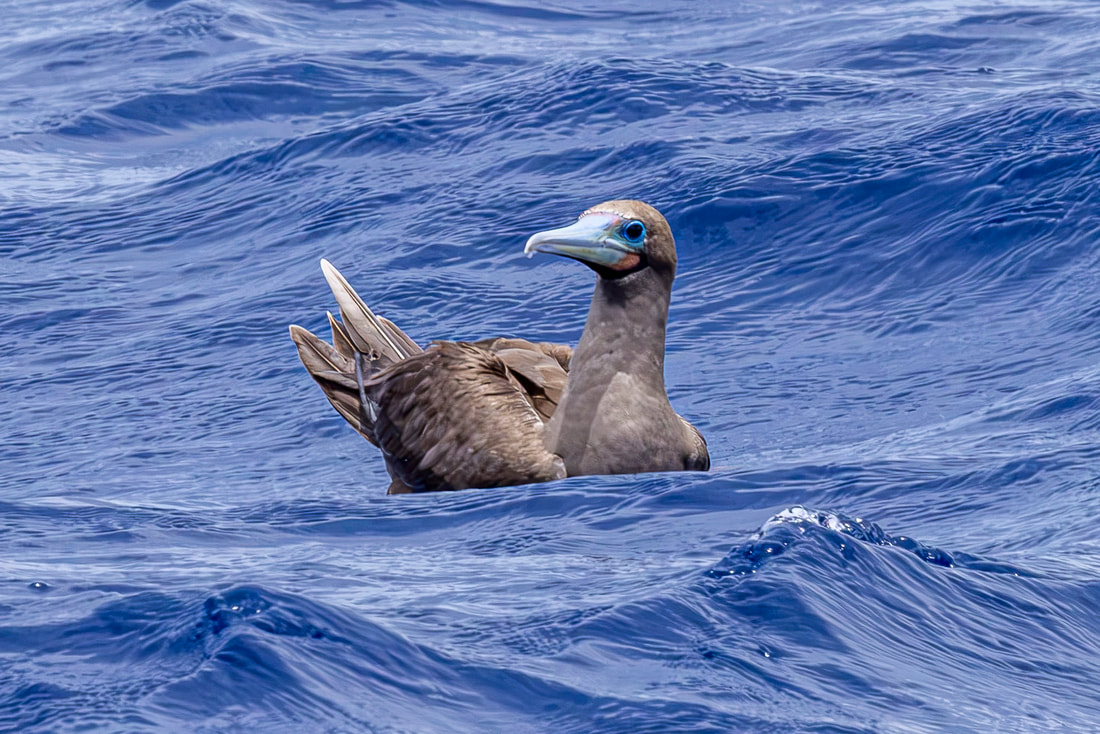
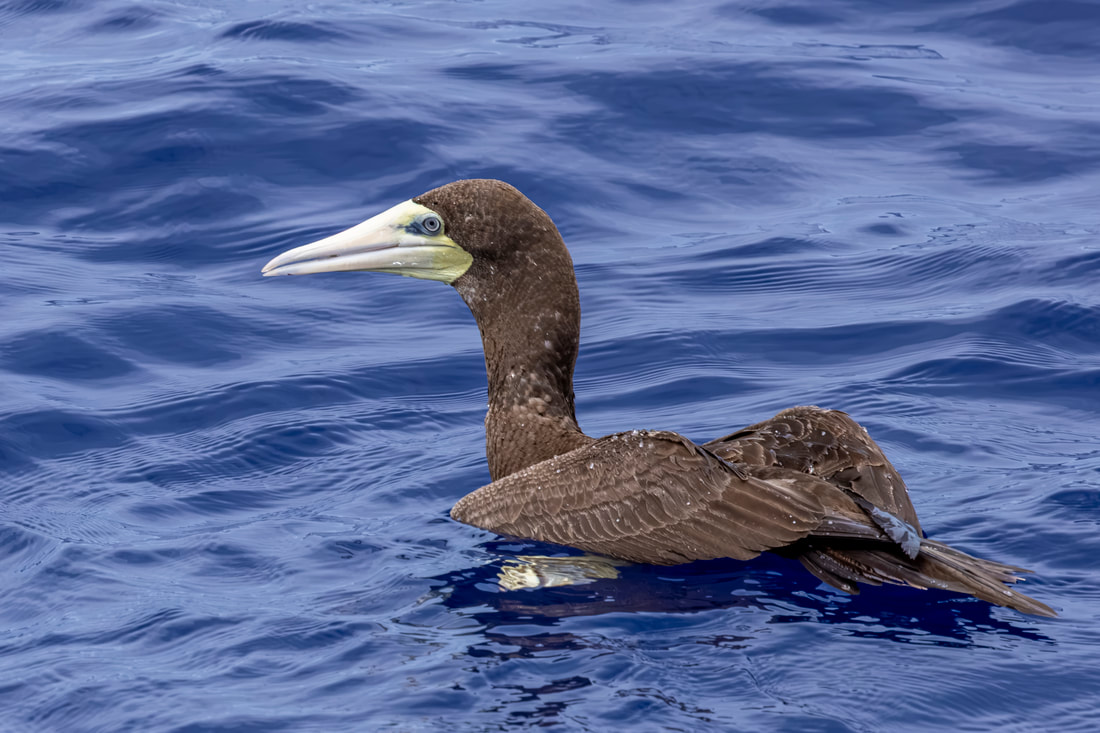
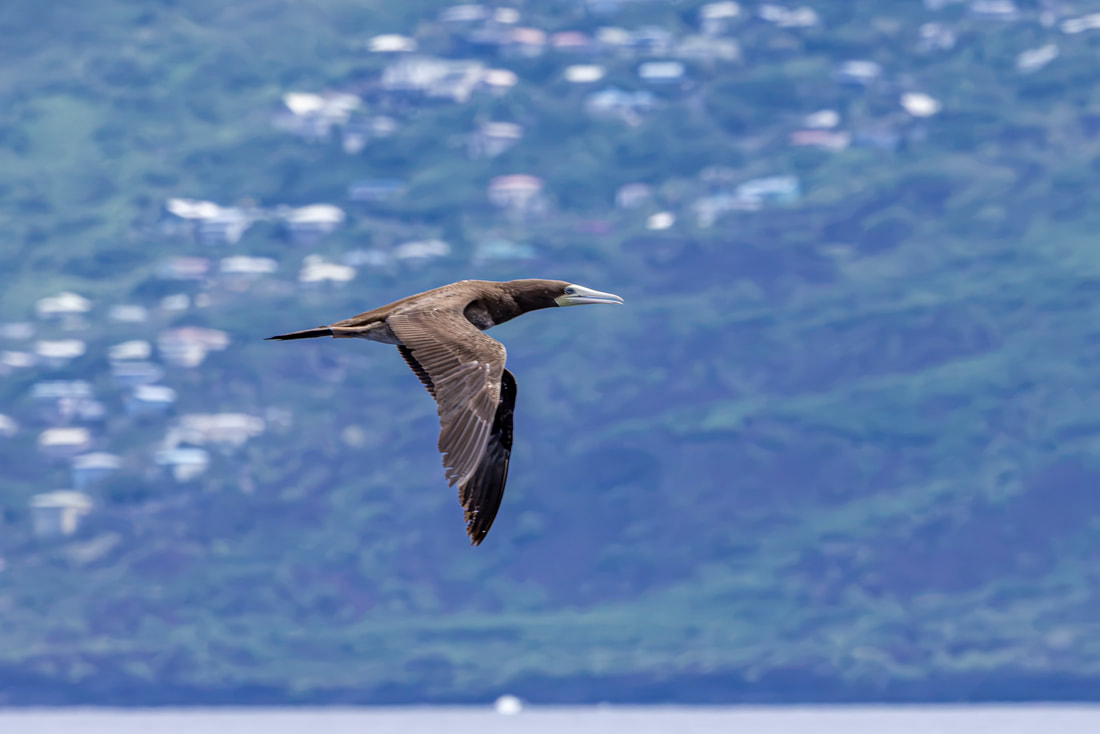
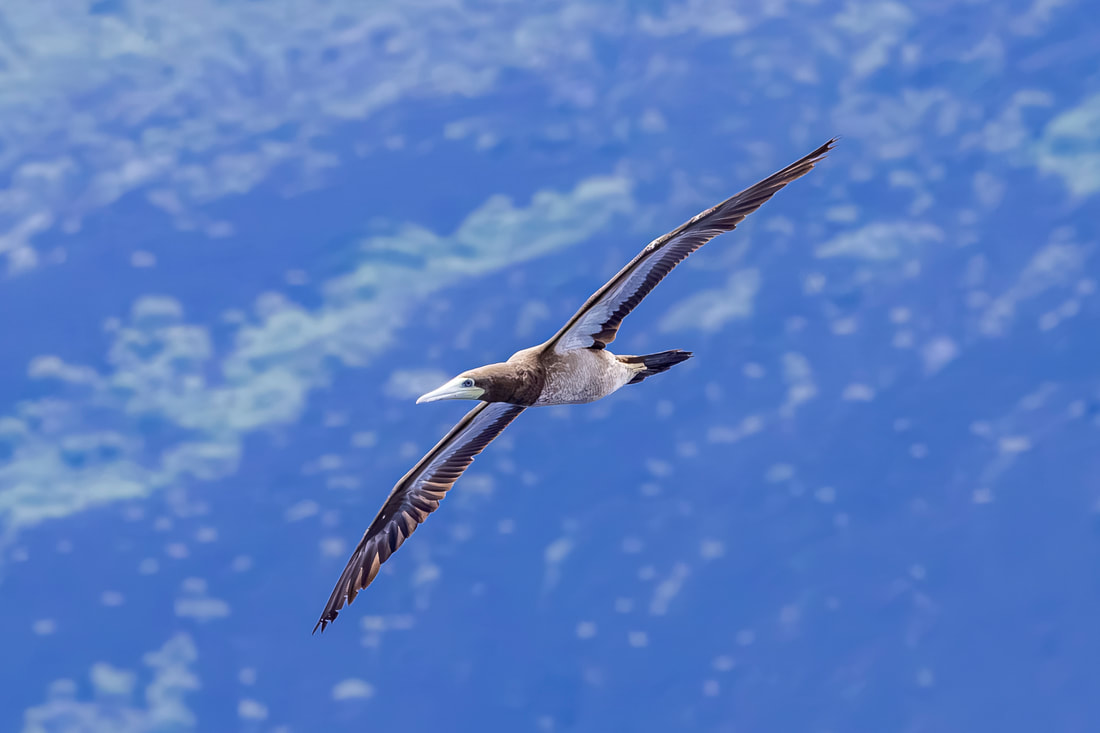
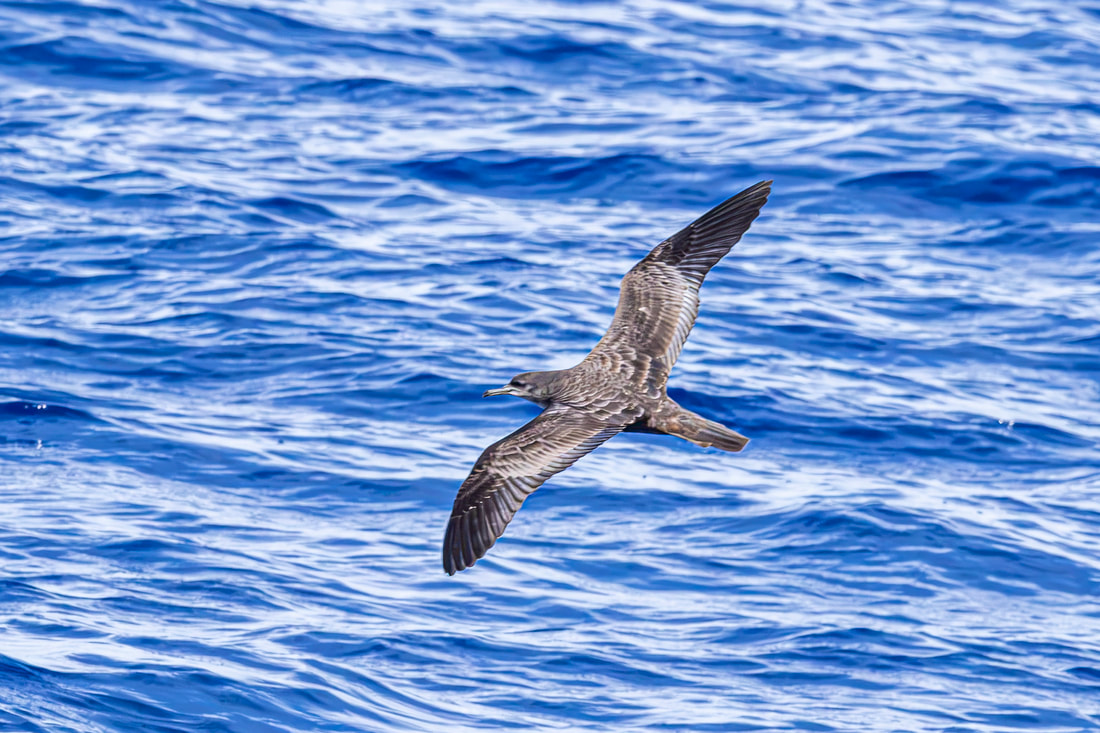
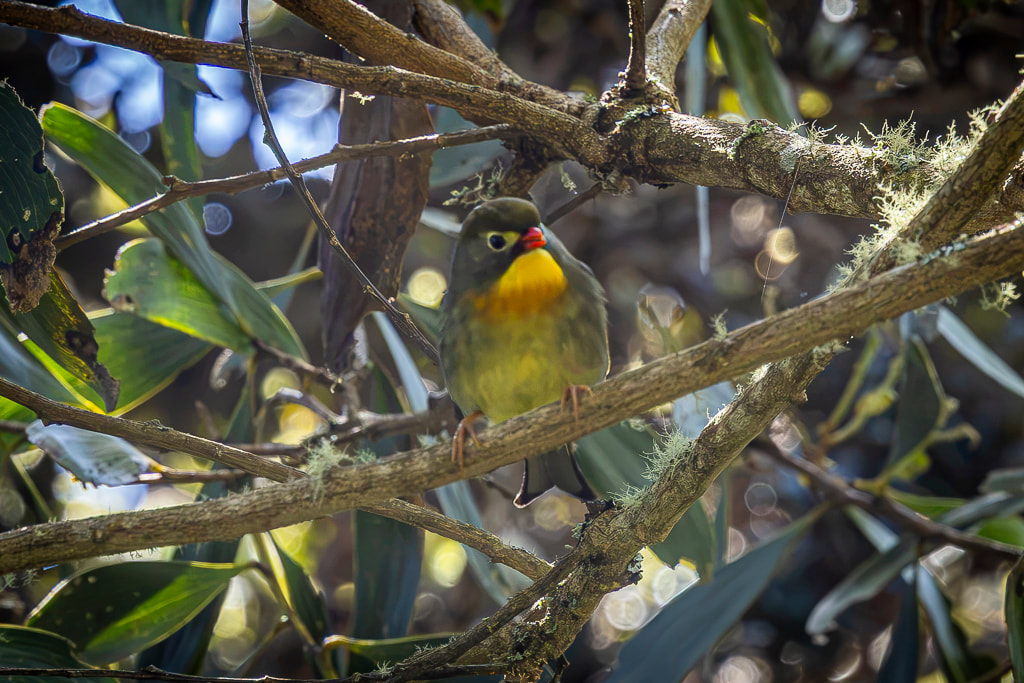
This was a short but fantastic trip with Chris Lotz of Birding Ecotours, Mandy Talpas and her partners in Hawaii Bird Tours. In about 10 days, in April 2026, we did some amazing birding on Kauai, Hawaii ("Big Island"), and Oahu. This included one boat trip off of Kona on the Big Island, for pelagic sea birds (we had another pelagic planned on Kauai, canceled due to weather). We saw all the endemic species that are realistically "gettable", including the incredible and critically endangered Palila, one of four "finch-billed" Hawaiian Honeycreeper species. The Palila is only found on the slopes of Mauna Kea on the Big Island, and has been mostly pushed into inaccessible areas, but shortly heavy rains before our visit had caused a few individuals to move into reachable areas along the Palila Discovery Trail (Hawaii suffered devastating floods in early 2026 that have adversely affected much birdlife). It rained A LOT while we were there, so much that we actually couldn't bird at all on one day, but we still got to see practically everything we could expect during the other days, and saw most species very well. The "star" birds were the endangered/critically endangered endemics, especially the Hawaiian Honeycreepers like the Palila. I have to say, however, that my favorite bird was probably the 'I'iwi, pronounced eee - eee - vee. Like most native Hawaiian passerines, the name is onomatopoeic, sort of - for some species you have to imagine :-). The 'I'iwi is fairly widespread, found on several islands, but is still classified as "vulnerable". We had great looks at a few of them on the Big Island, hence, lots of photos of the spectacular 'I'iwi in this gallery!
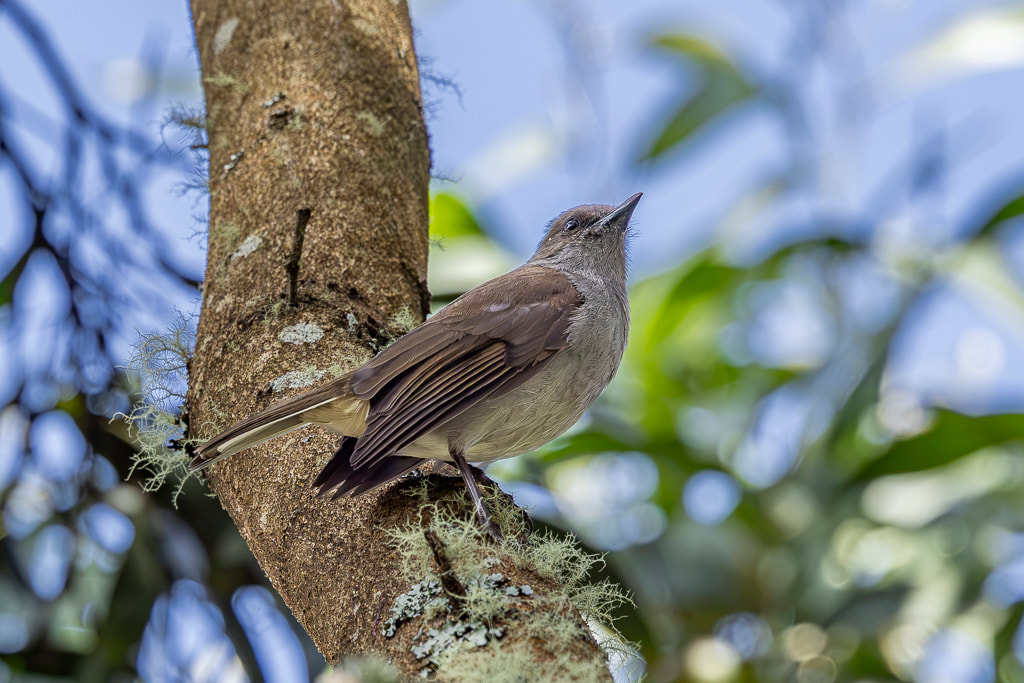
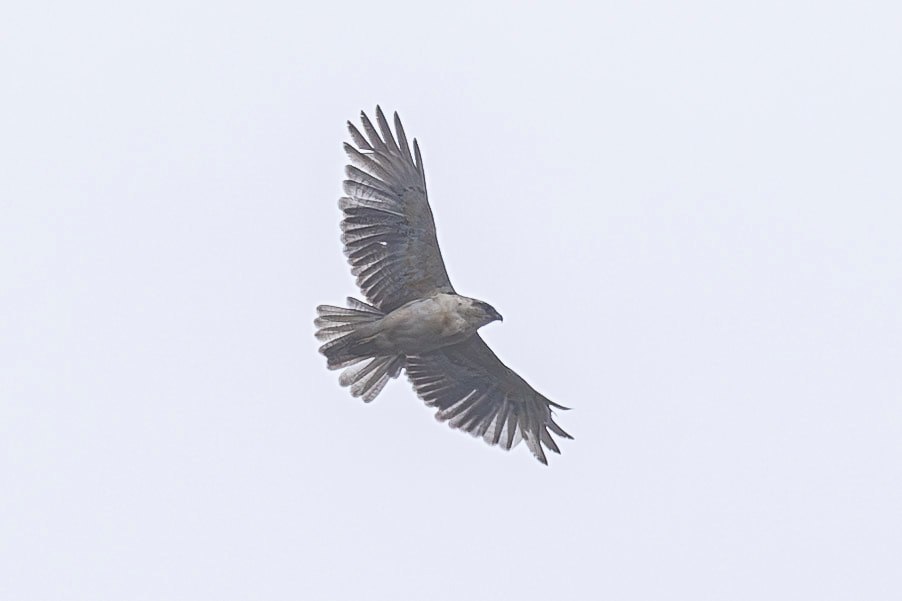
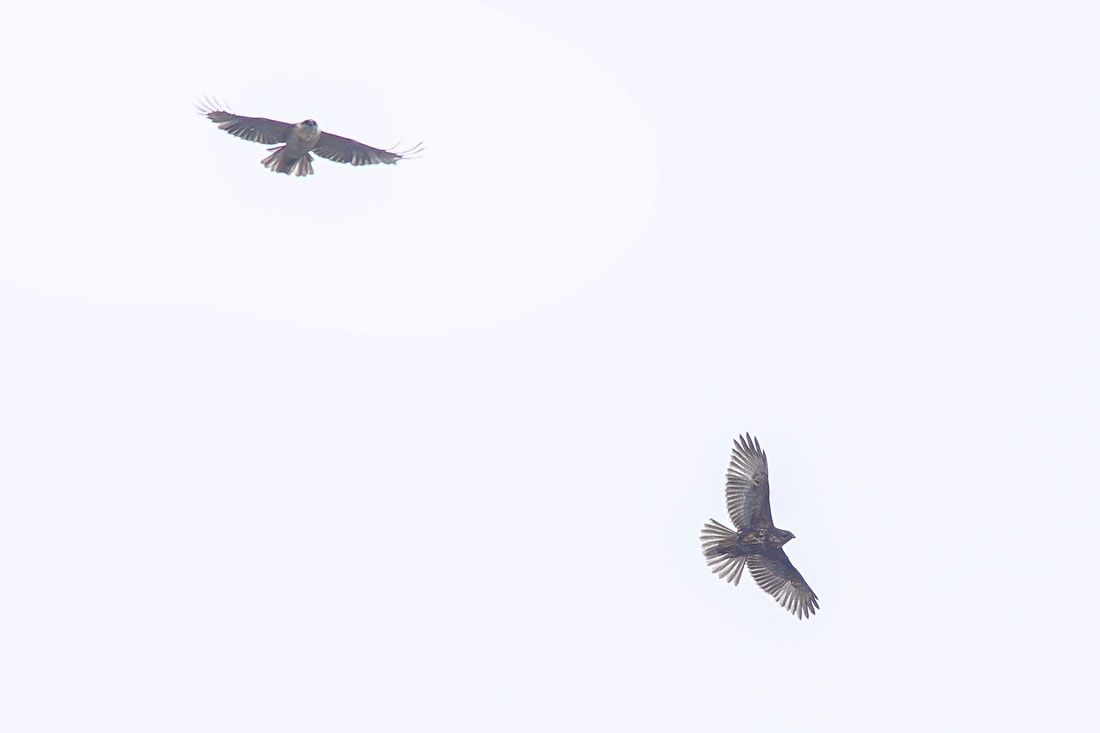
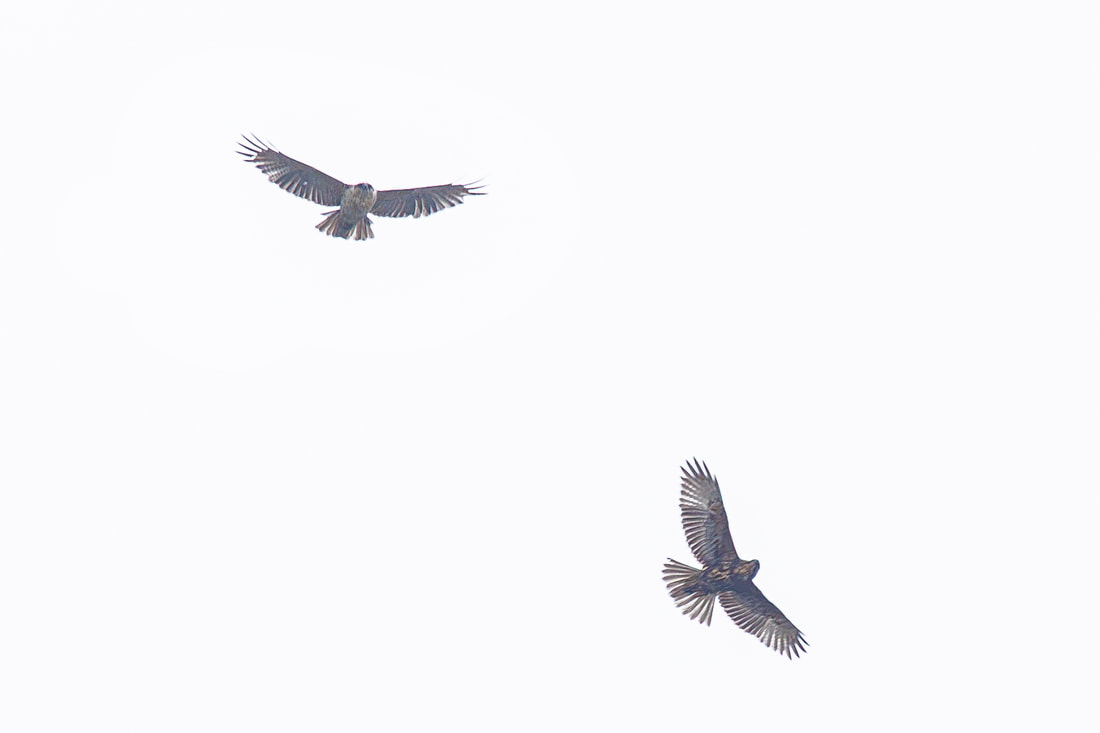
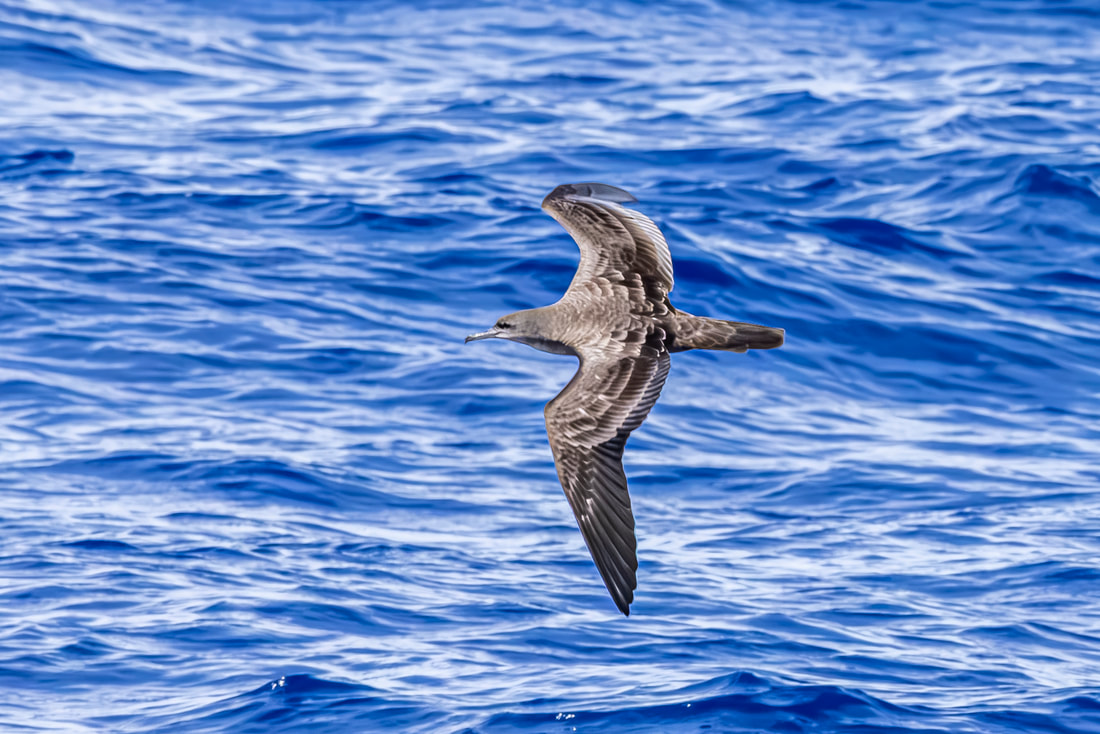
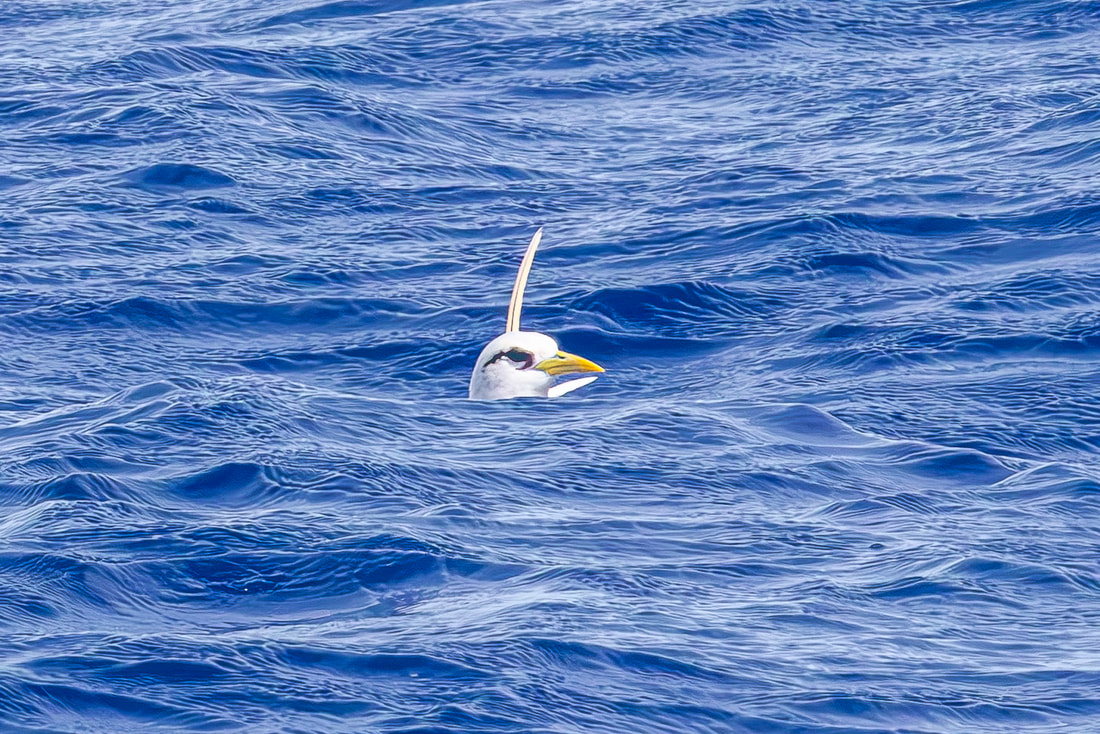
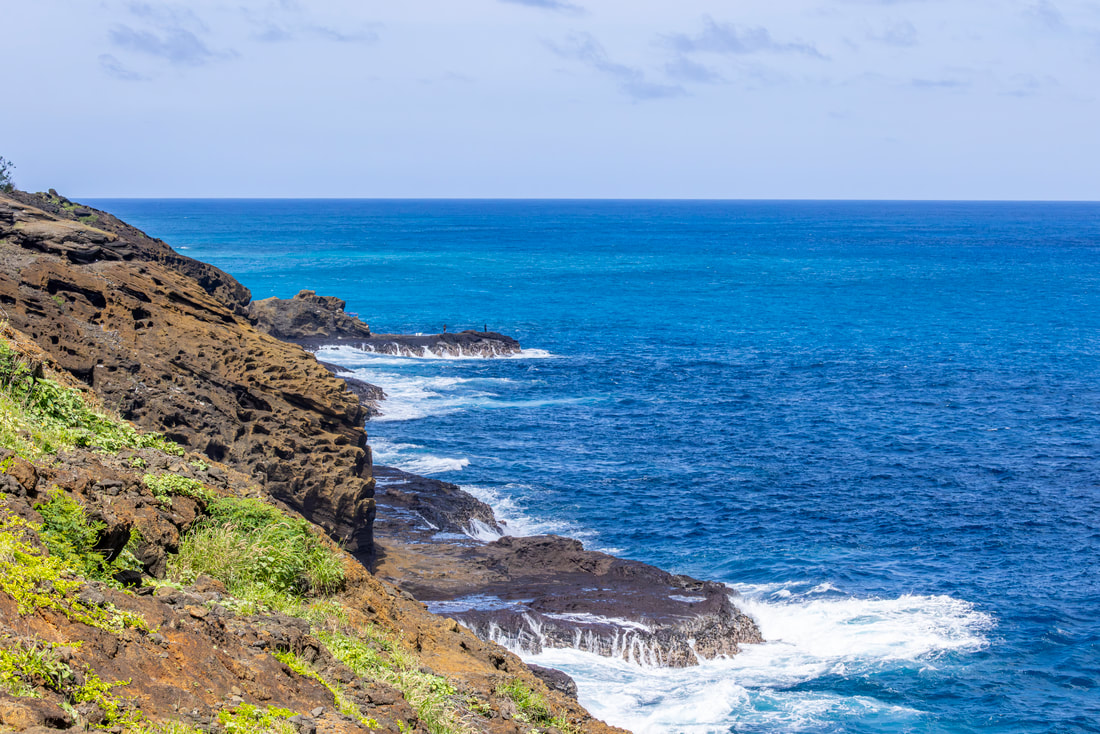
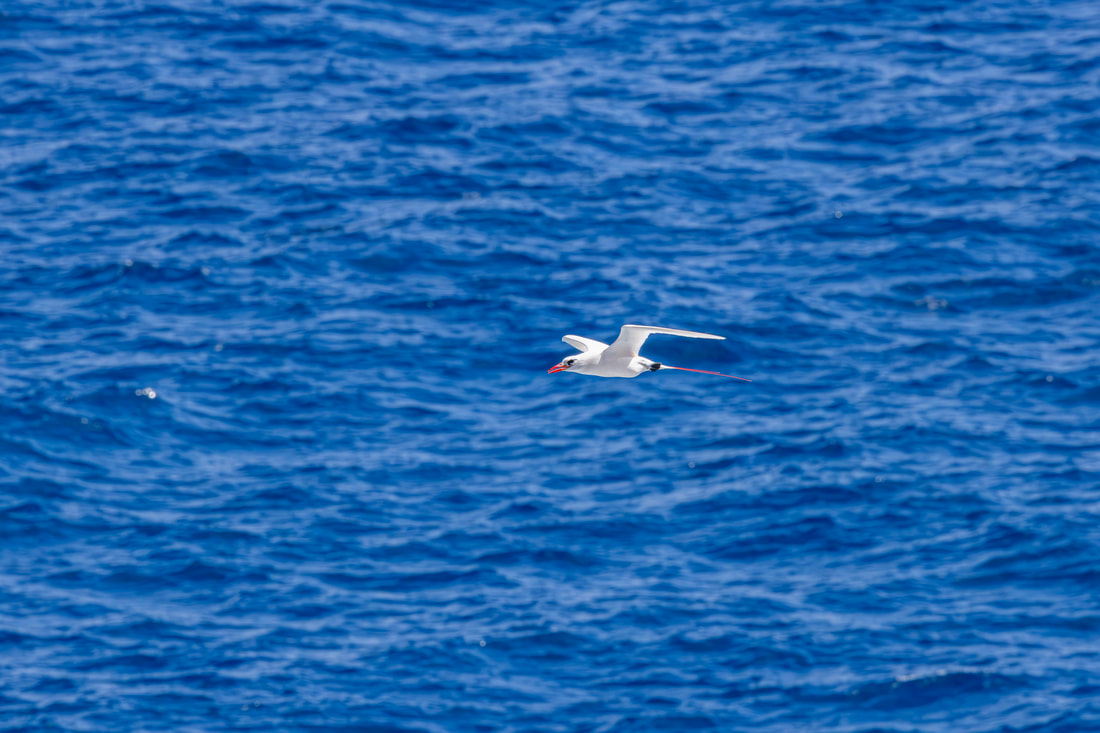
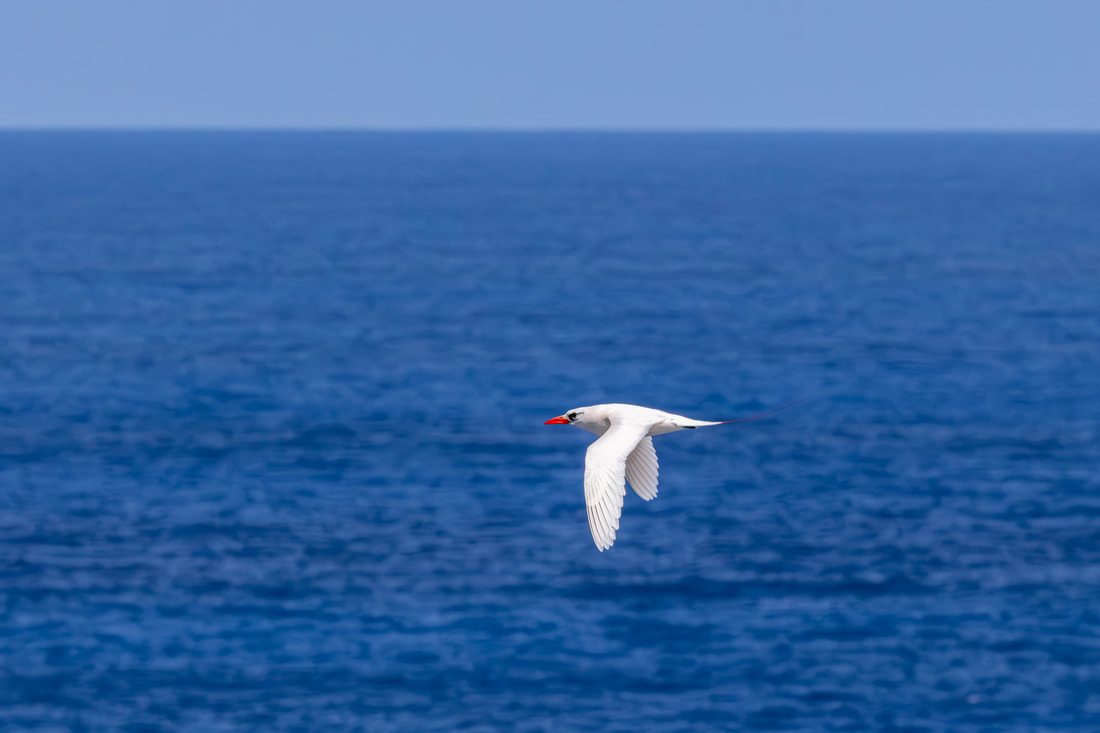
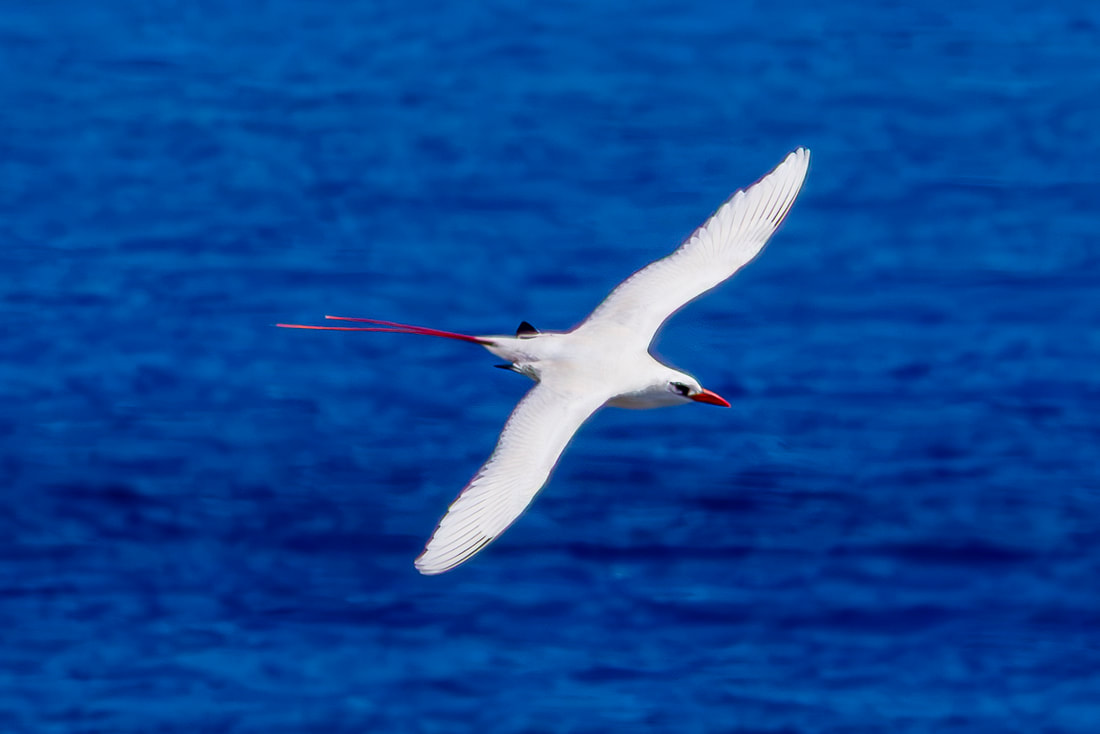
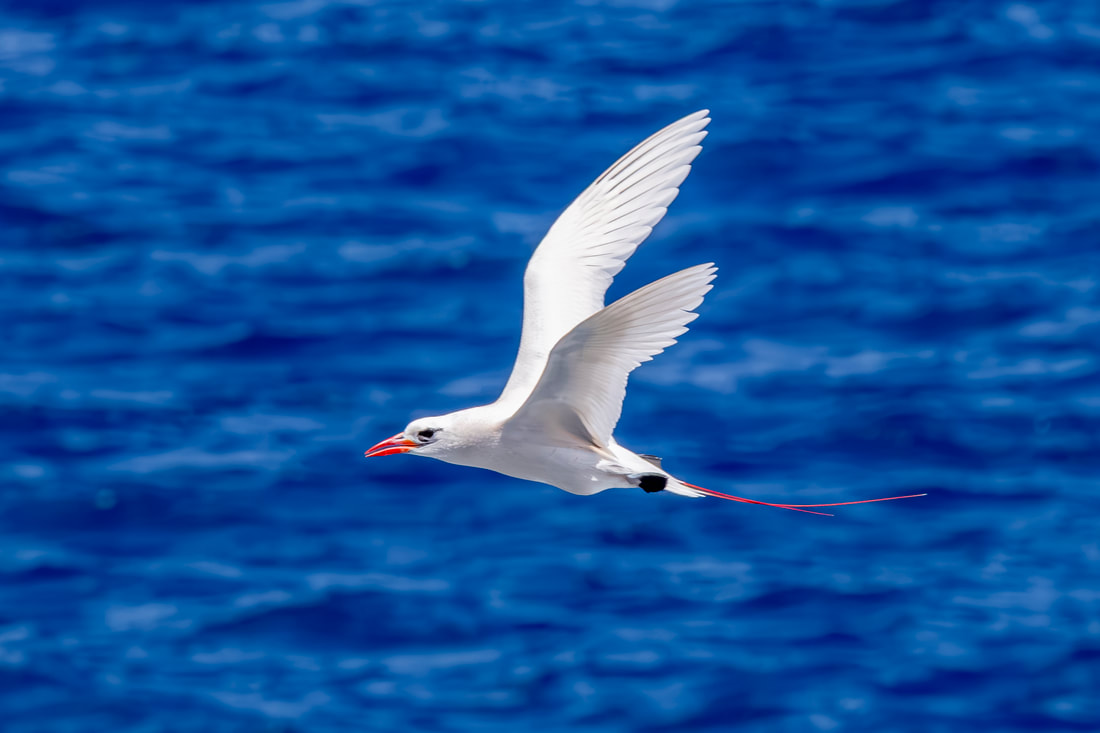
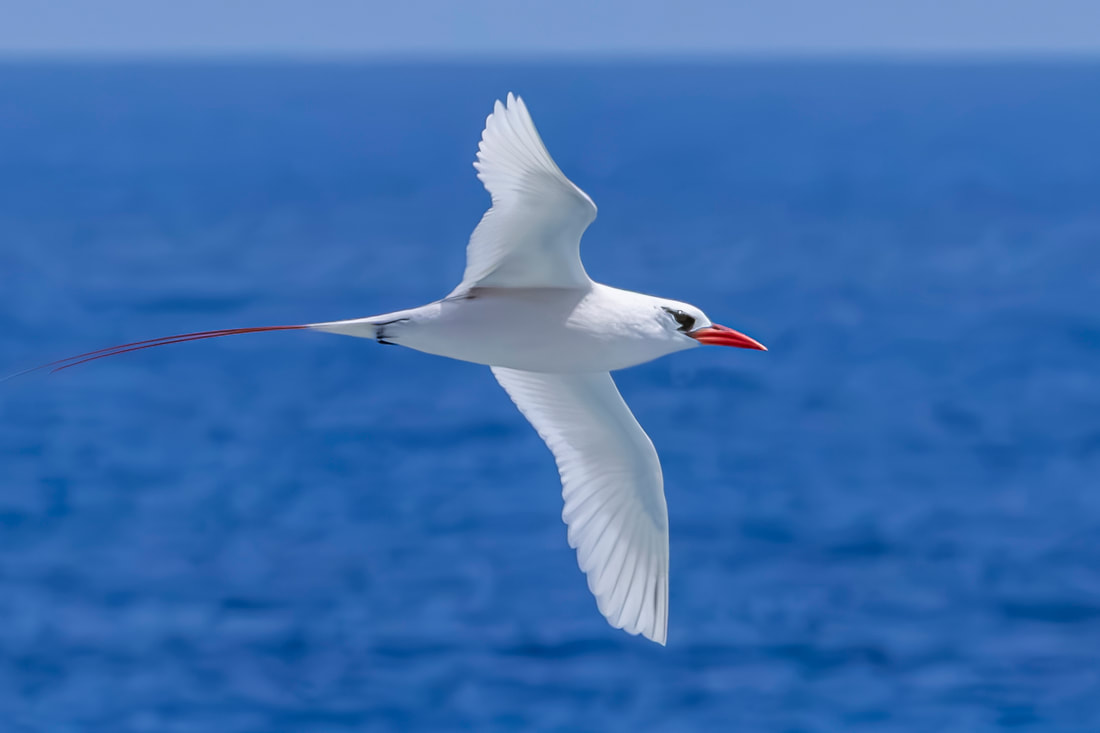
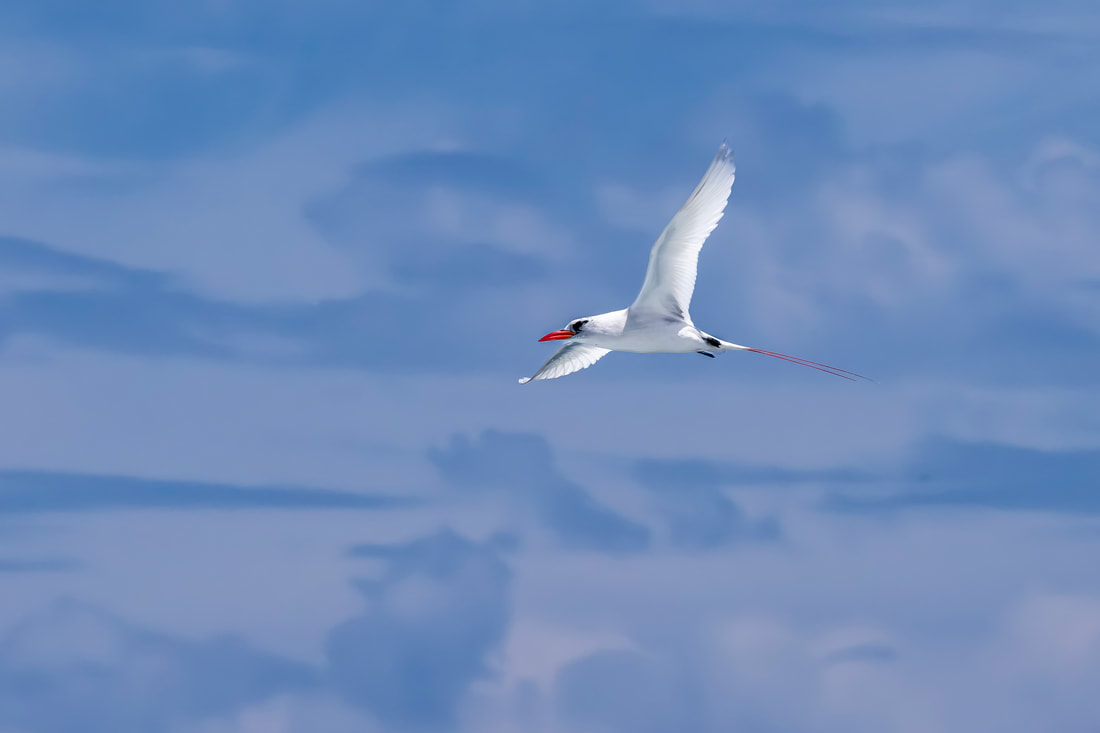
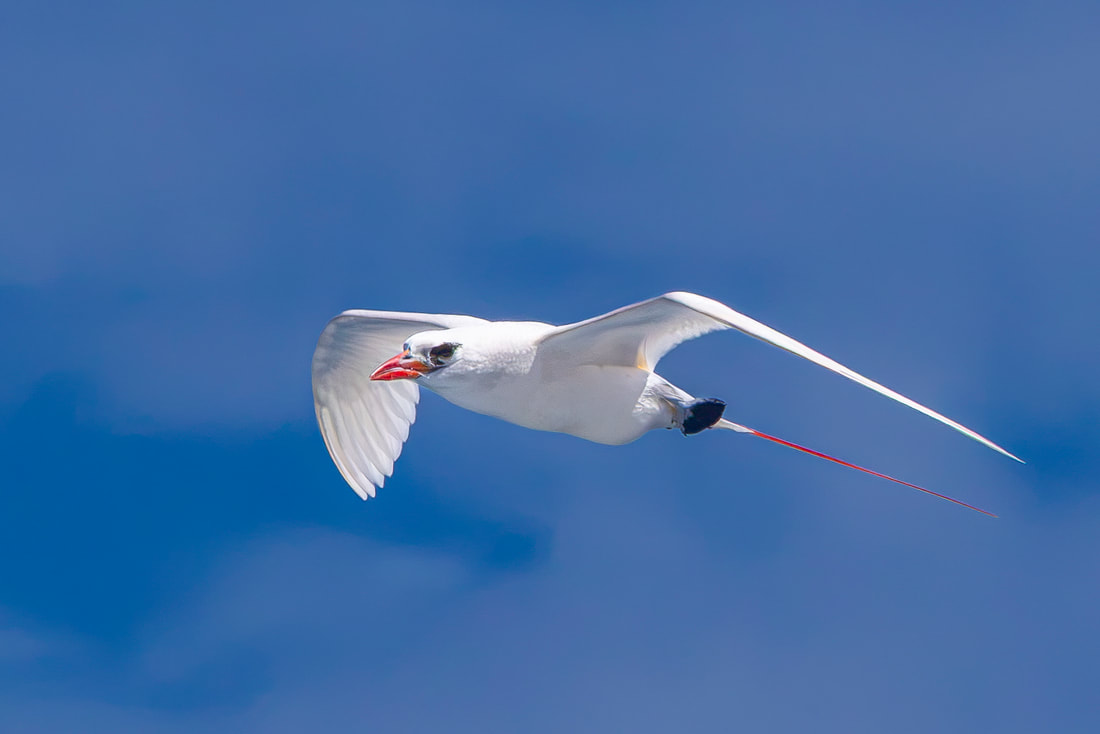
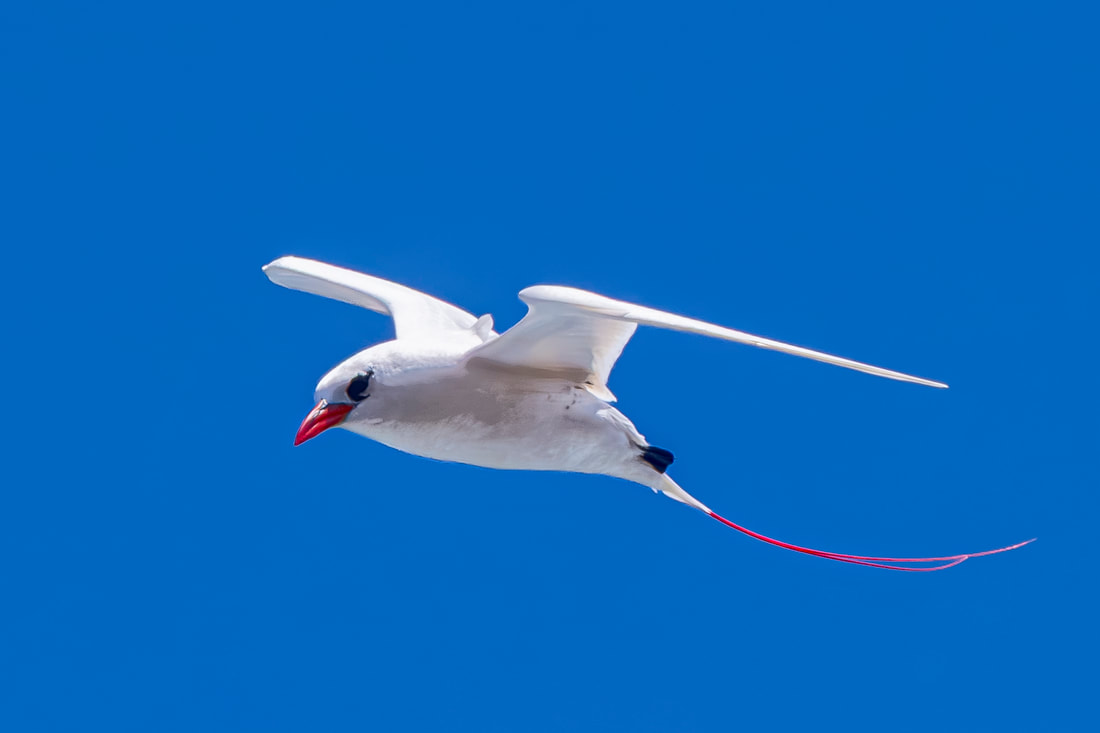
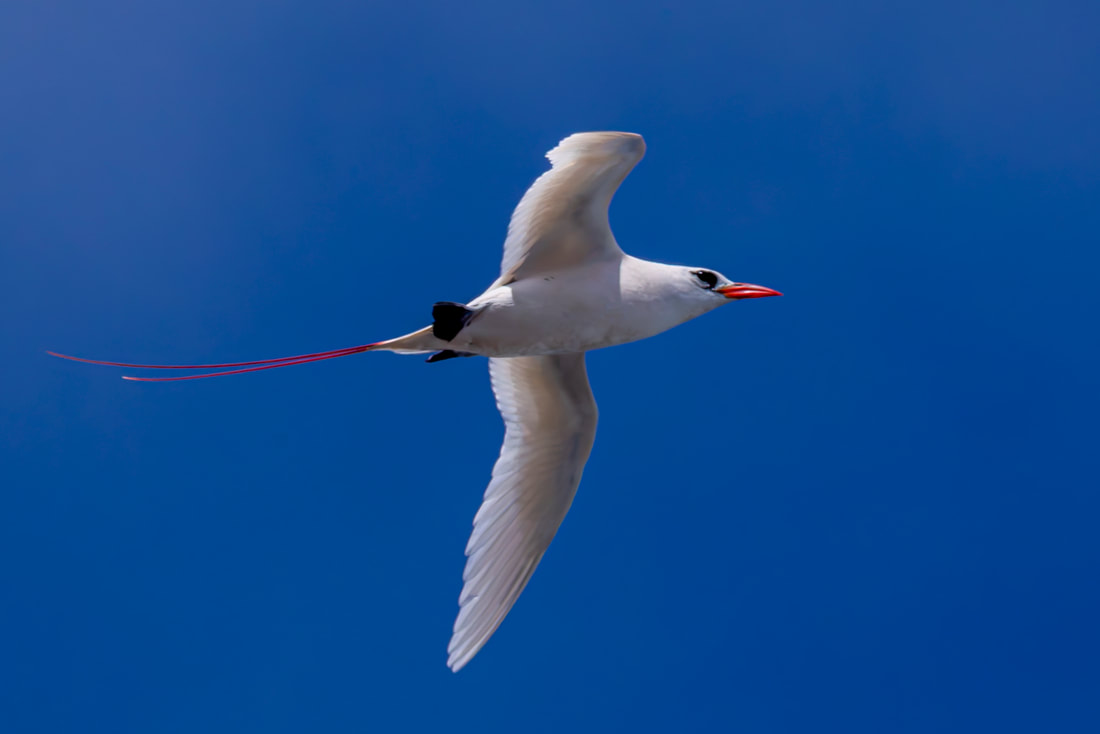
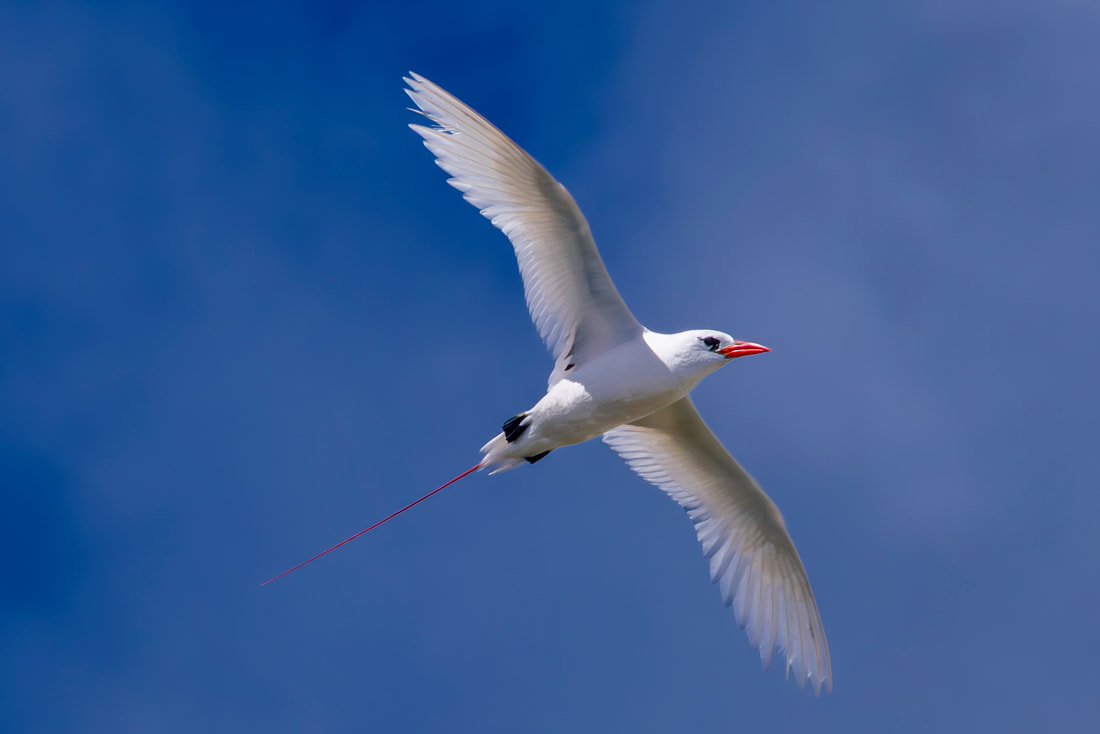
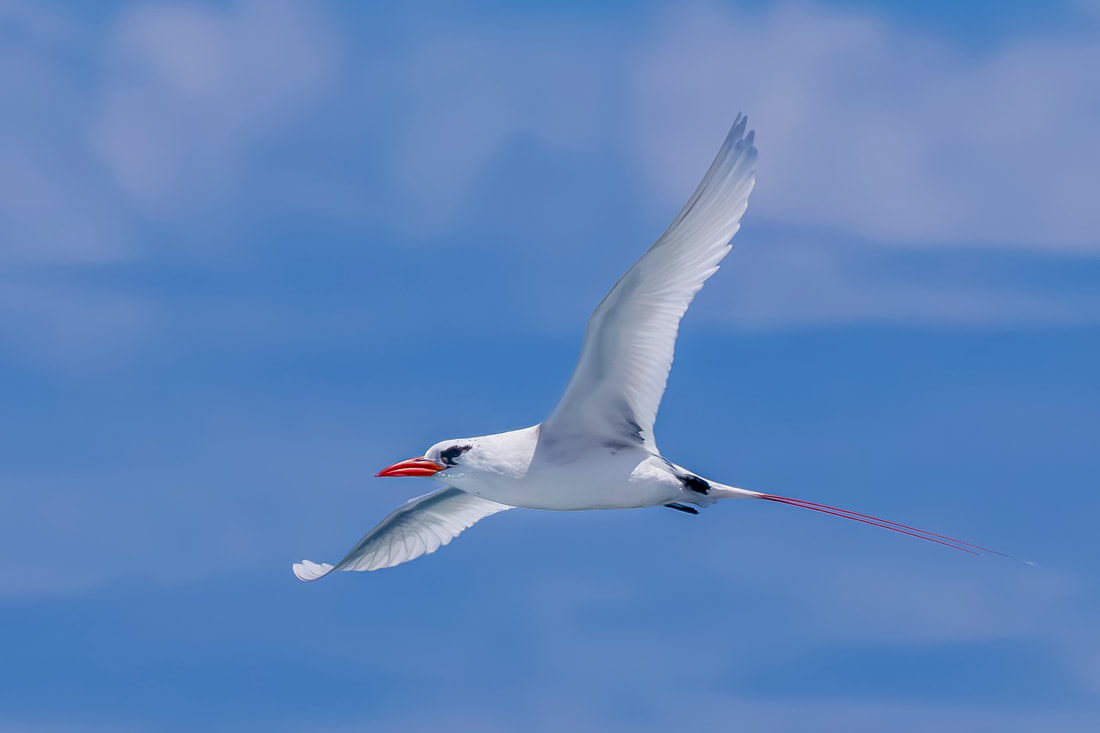
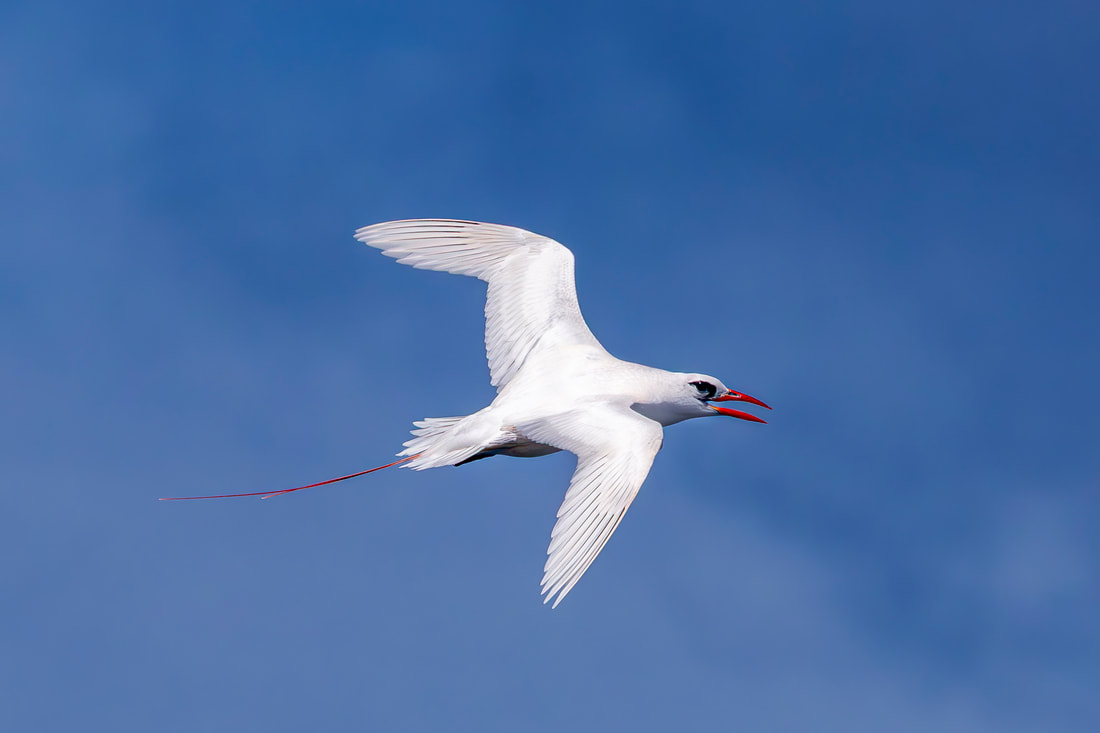
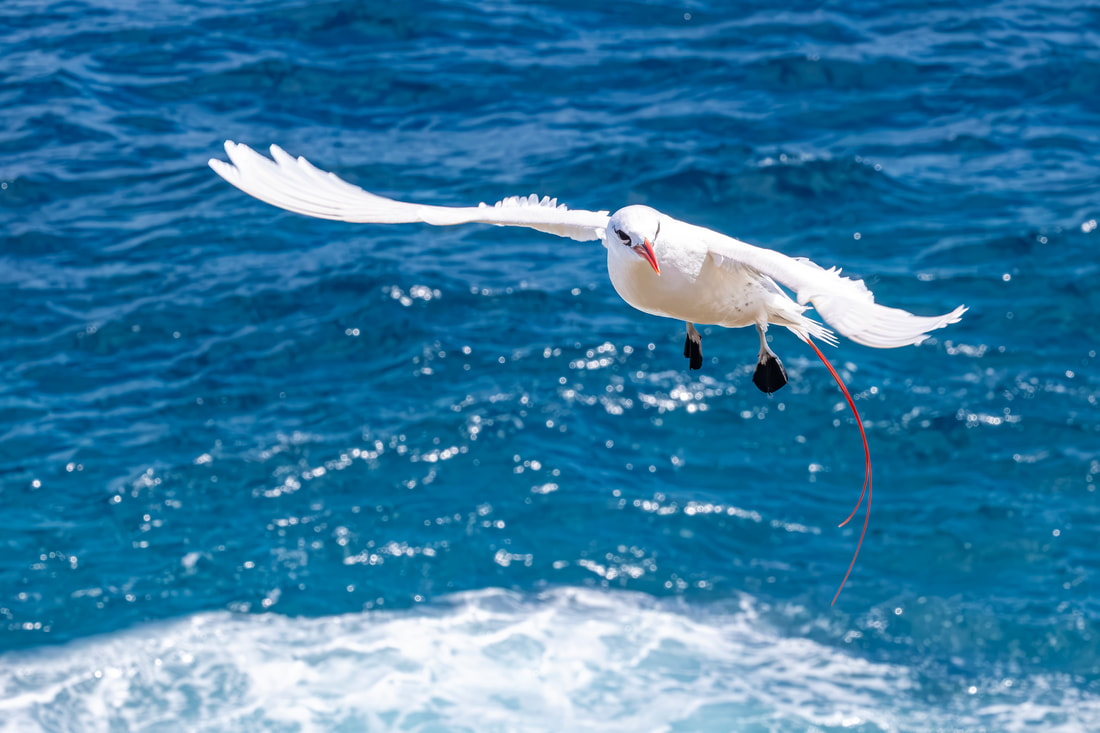
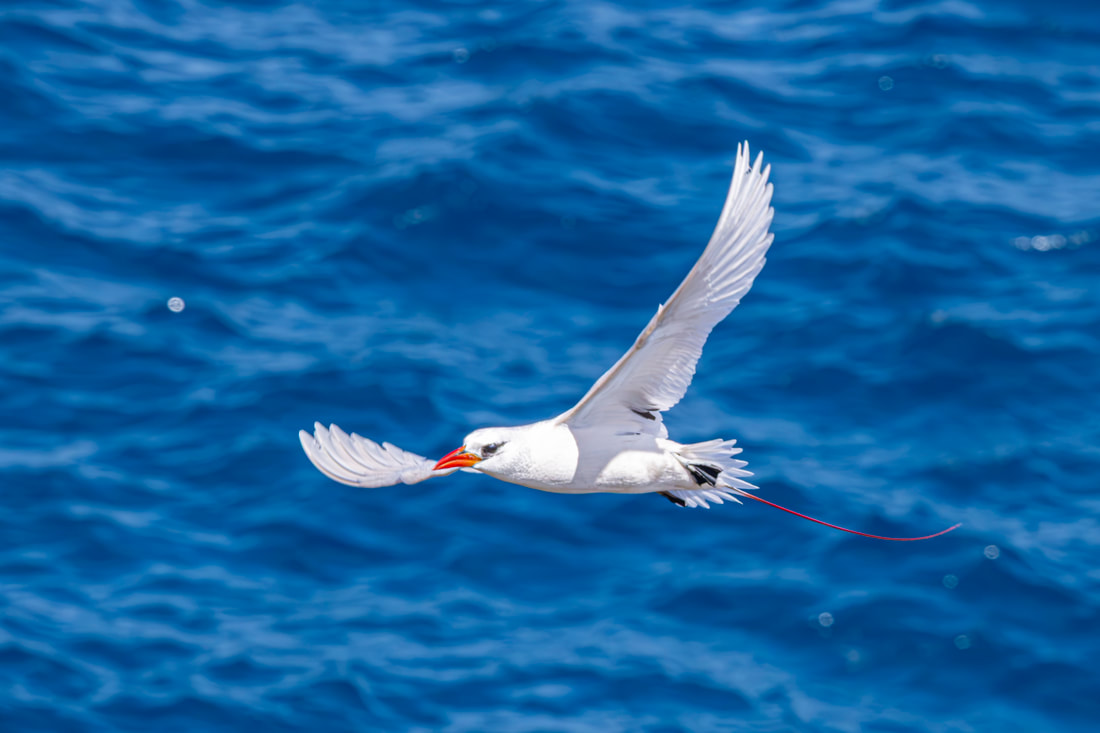
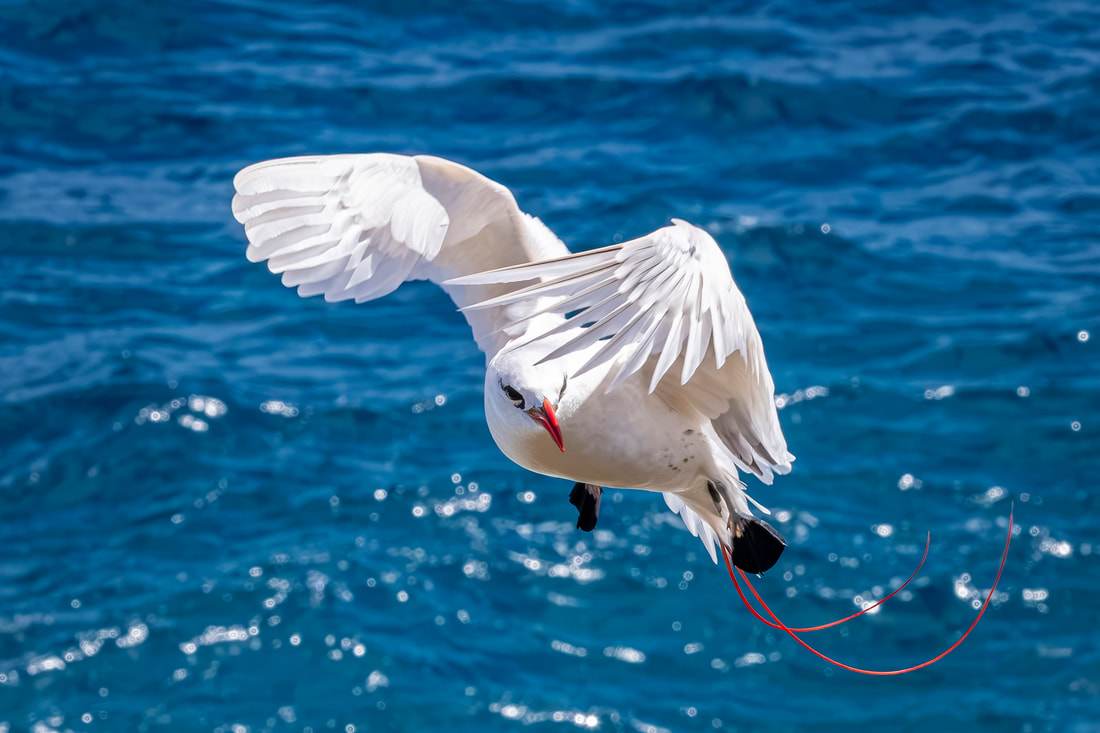
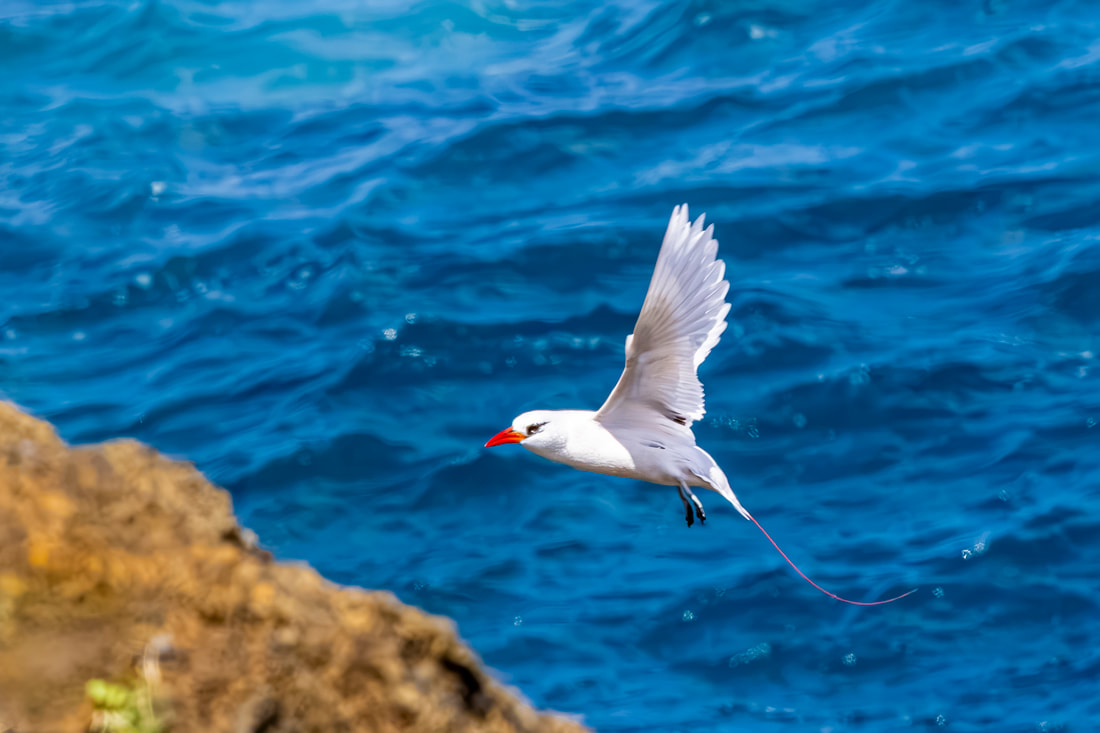
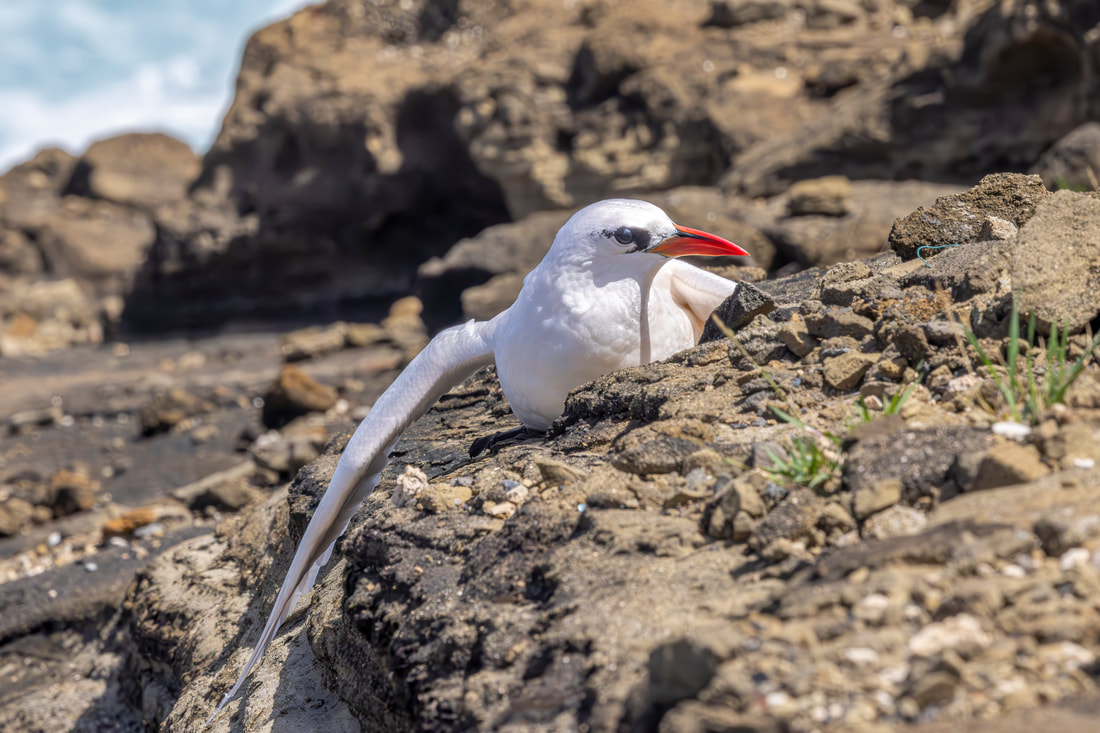
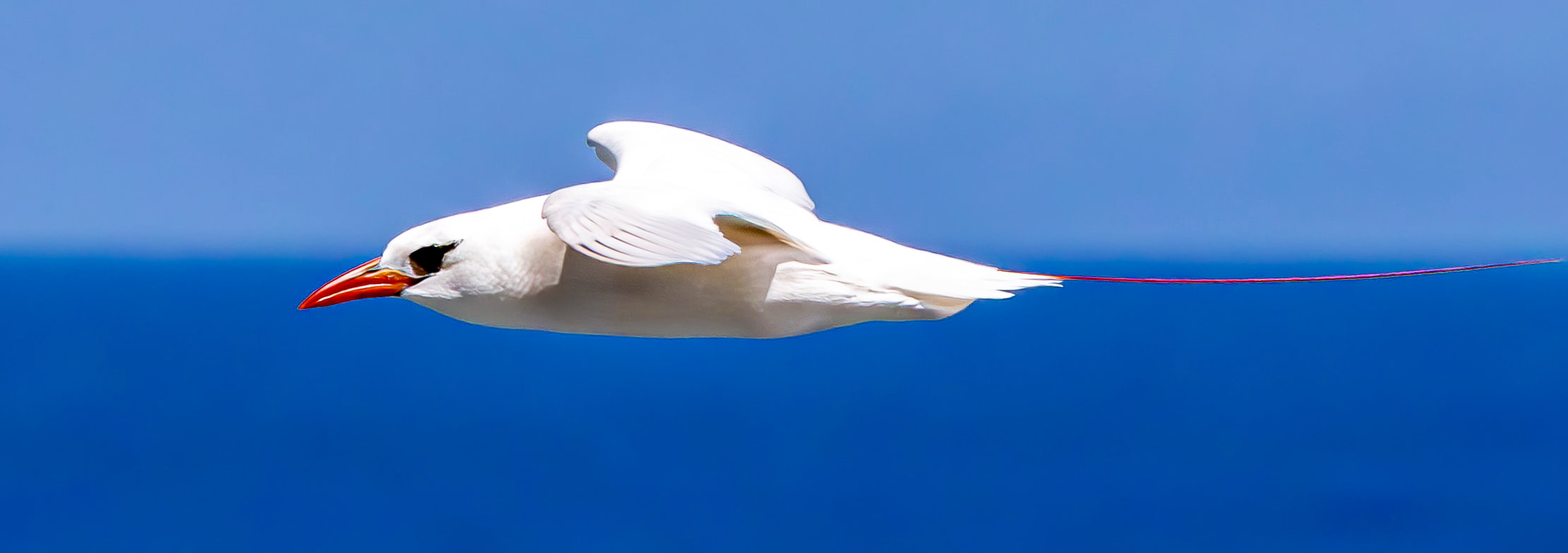
Other specials included the Hawaiian Duck (Koloa Maoli), Hawaiian Goose (Nene), and Hawaiian Hawk ('Io), and thrush ('Oma'o) - all endemics - and some widespread sea birds and shorebirds. Among my favorites were Pacific Golden Plovers, which we saw in multitudes, mostly in beautiful breeding plumage since we were there in early northern spring. They were in parking lots, hotel grounds, everywhere - so beautiful! And another one of my favorites was the Red-tailed Tropicbird. We saw several at a nesting site on the east coast of Oahu. They are truly spectacular birds, graceful and white, with a bright rad bill and two long, hair-like bright red tail feathers, flowing and swooping over the deep blue ocean. Couldn't help myself with photos - there are LOTS here :-) ! Laysan Albatross was another favorite - widespread across much of the northern Pacific Ocean, but commonly seen on land in Hawaii. They even nest in the residential neighborhood in the town of Princeville, northern Kauai!
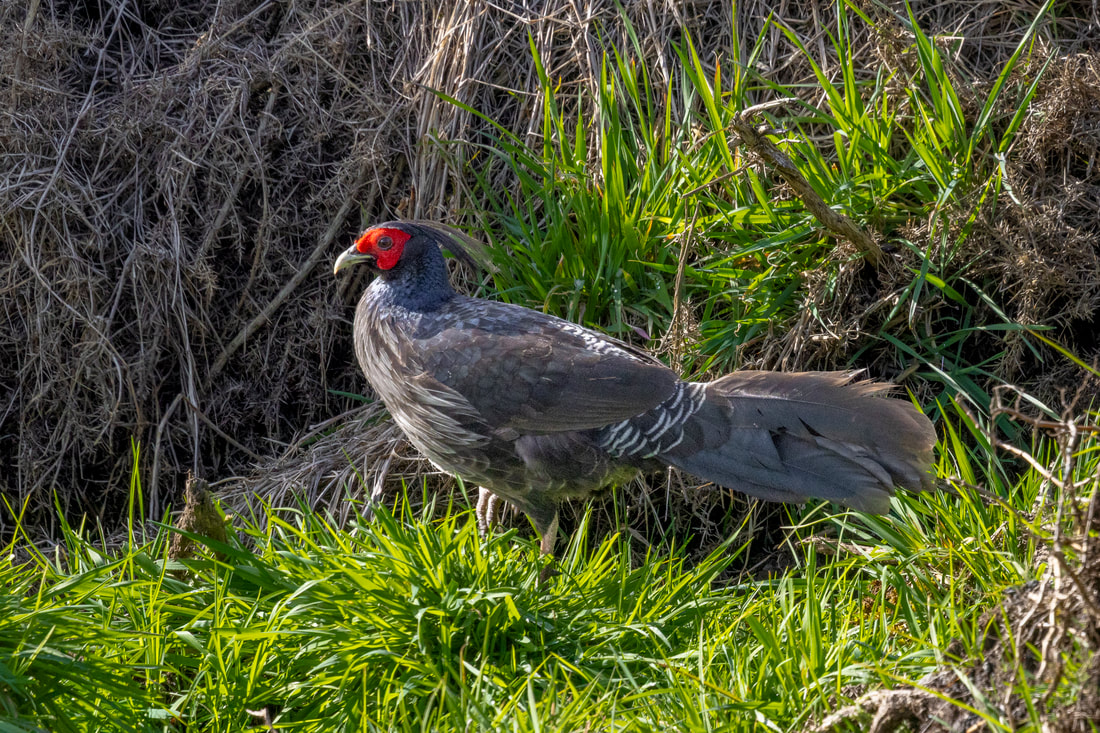
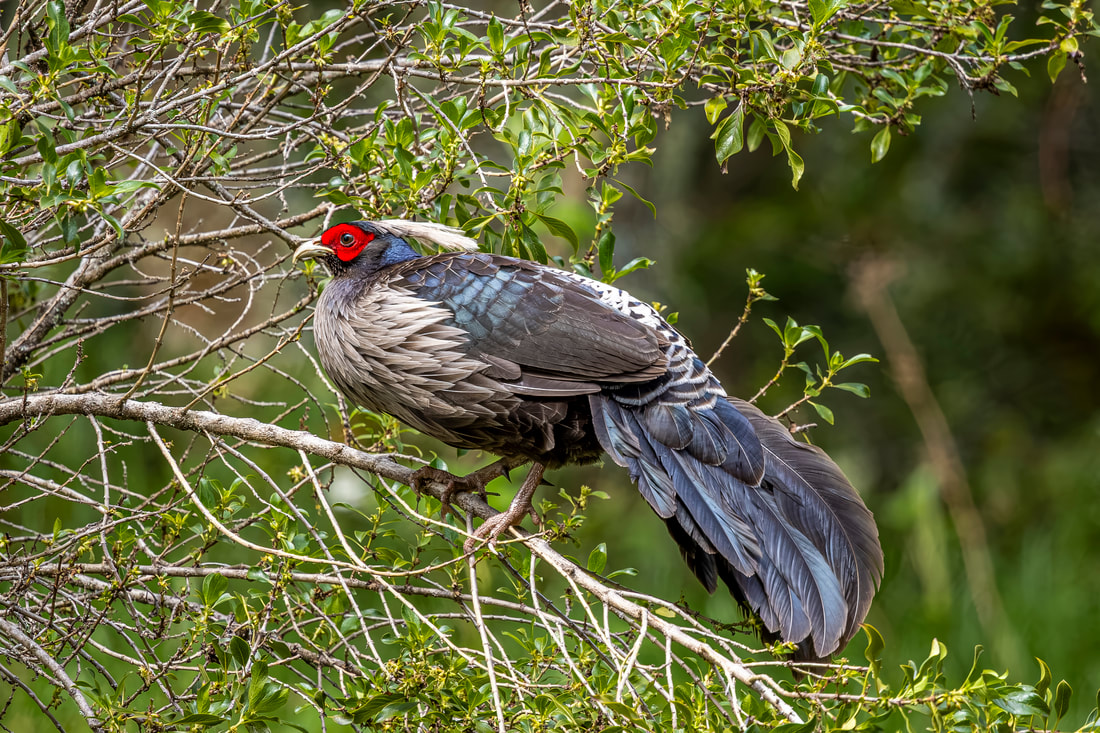
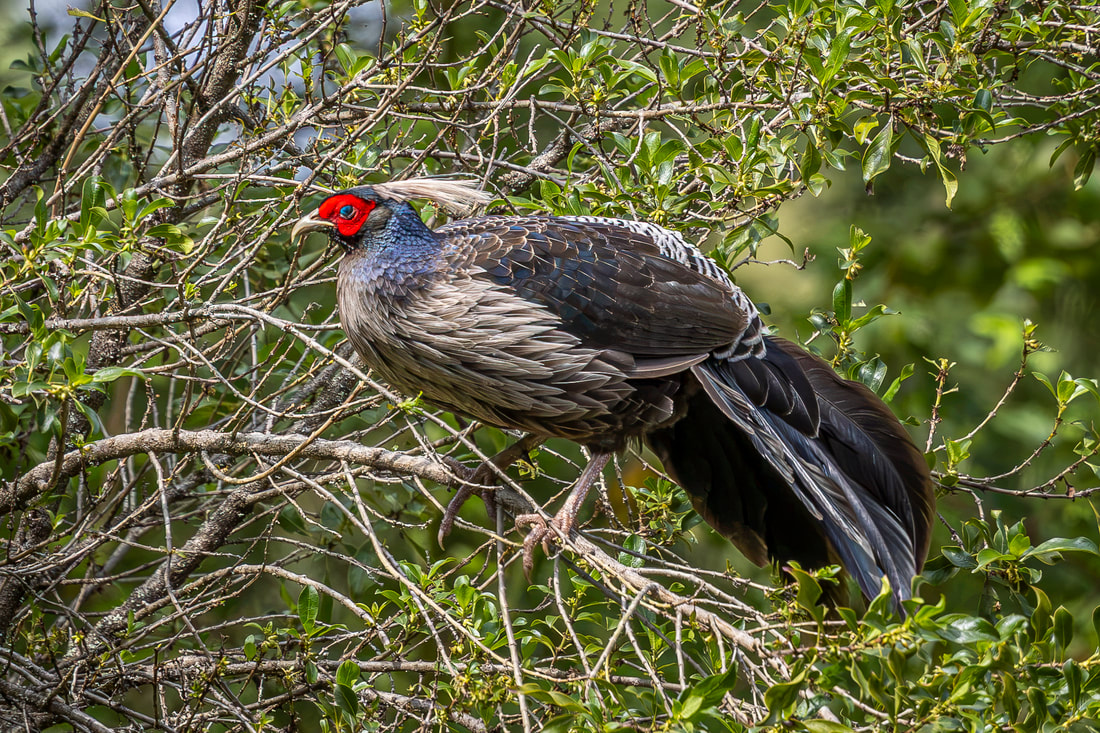
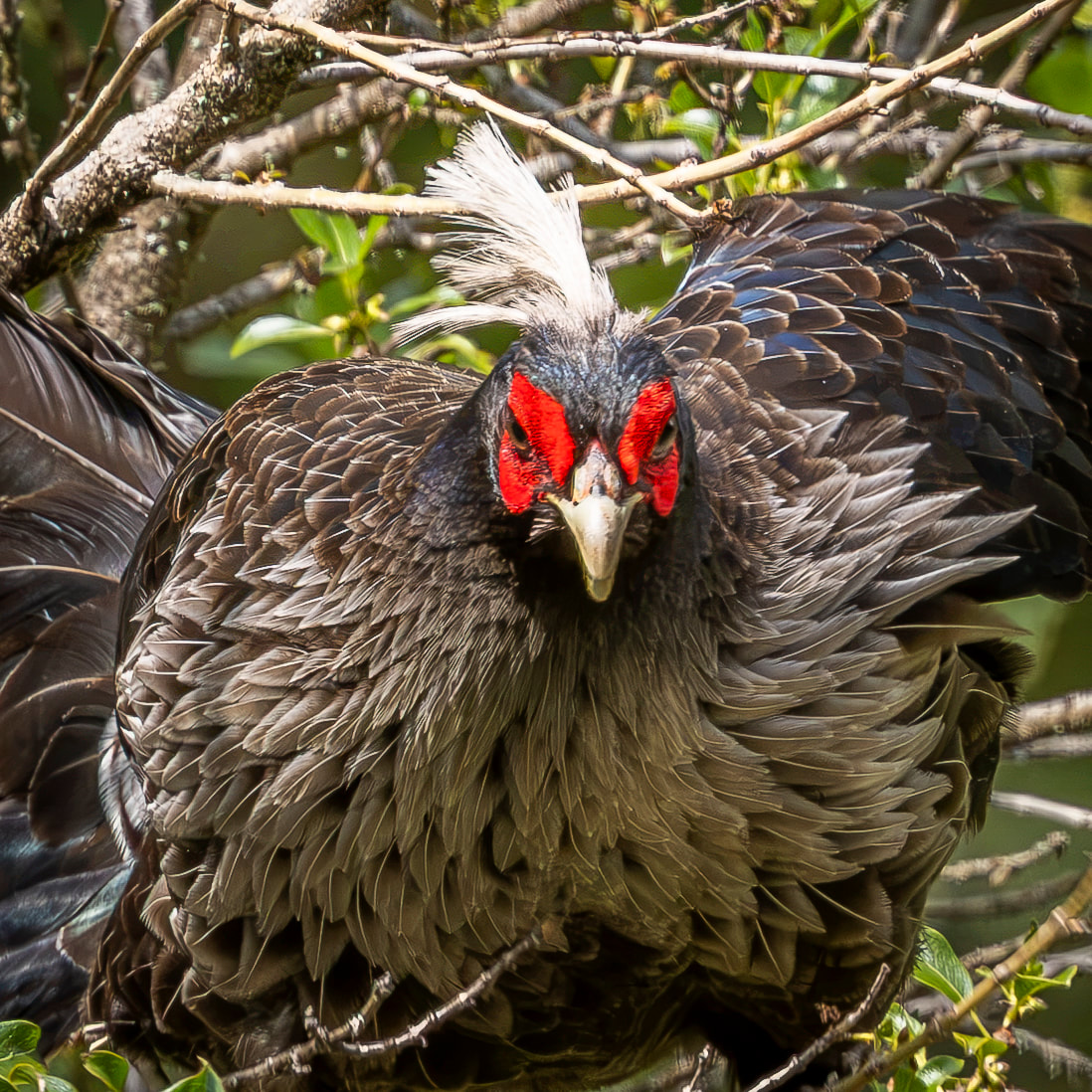
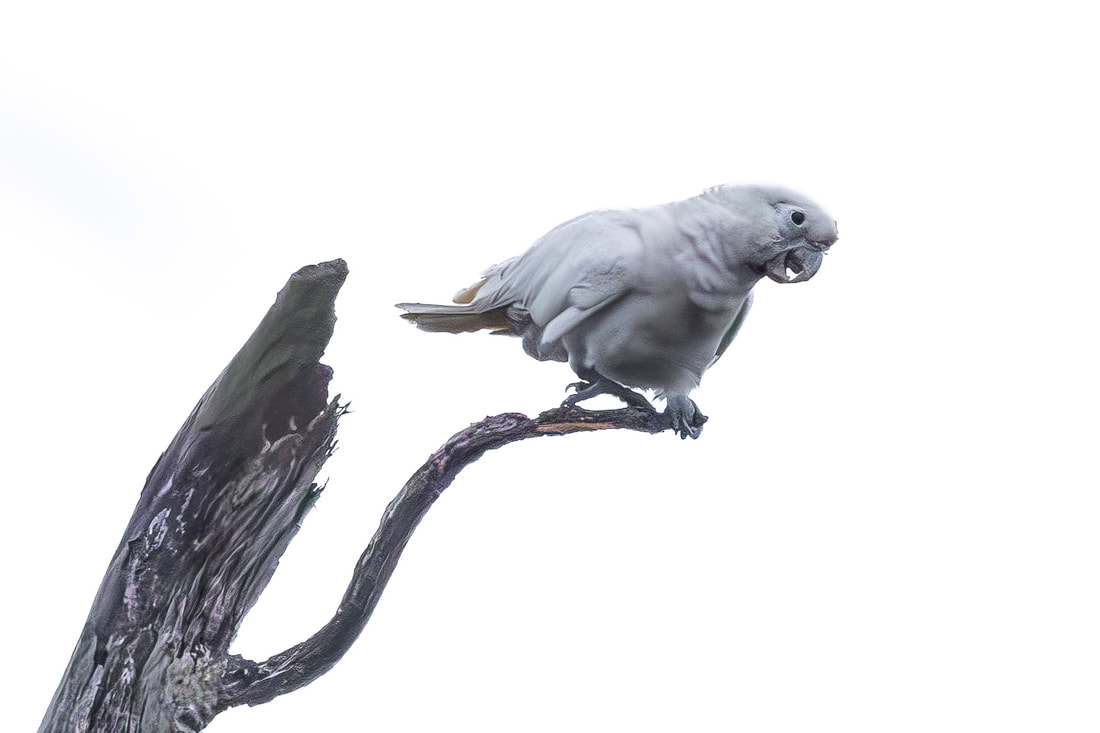
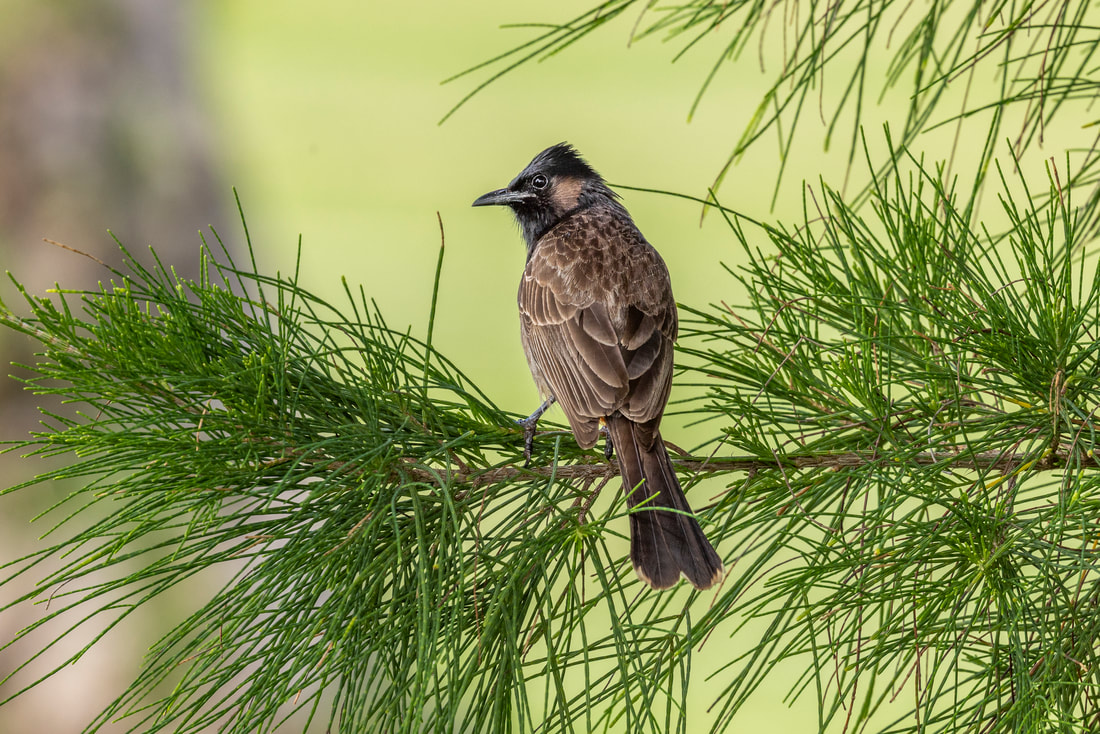
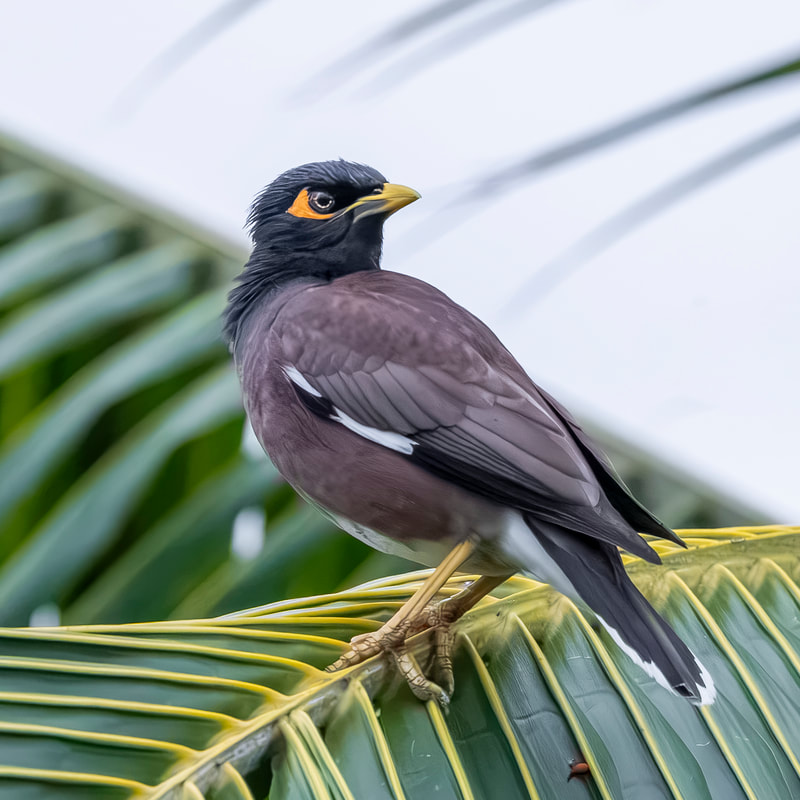
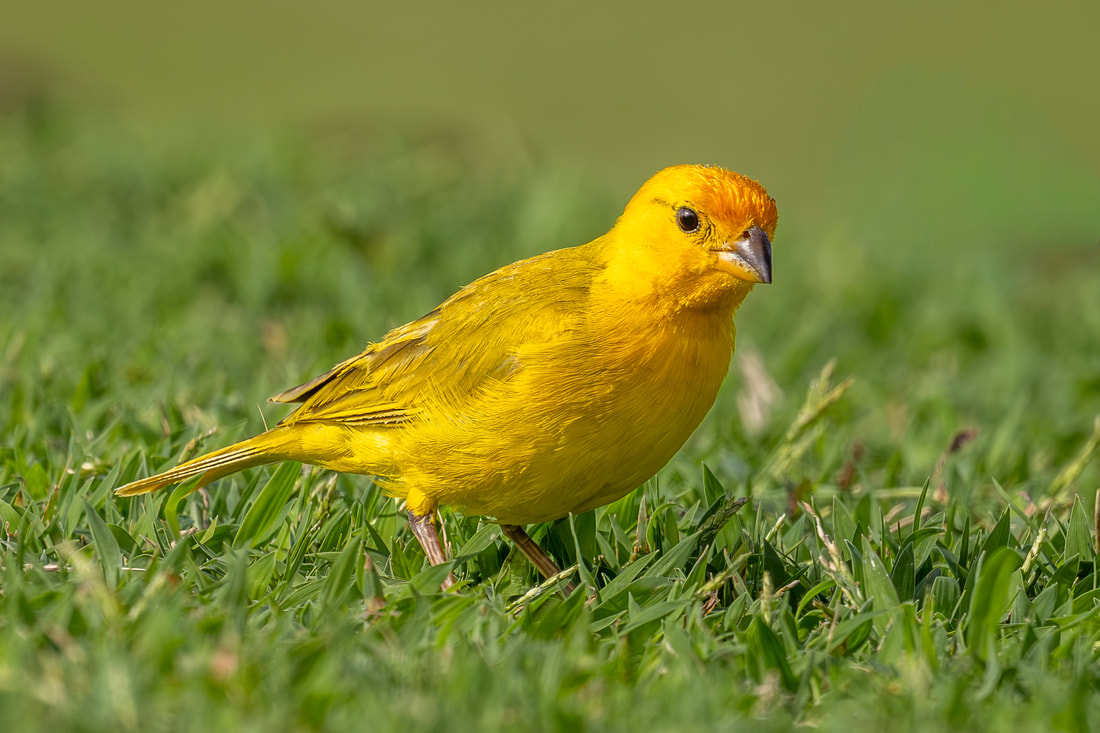
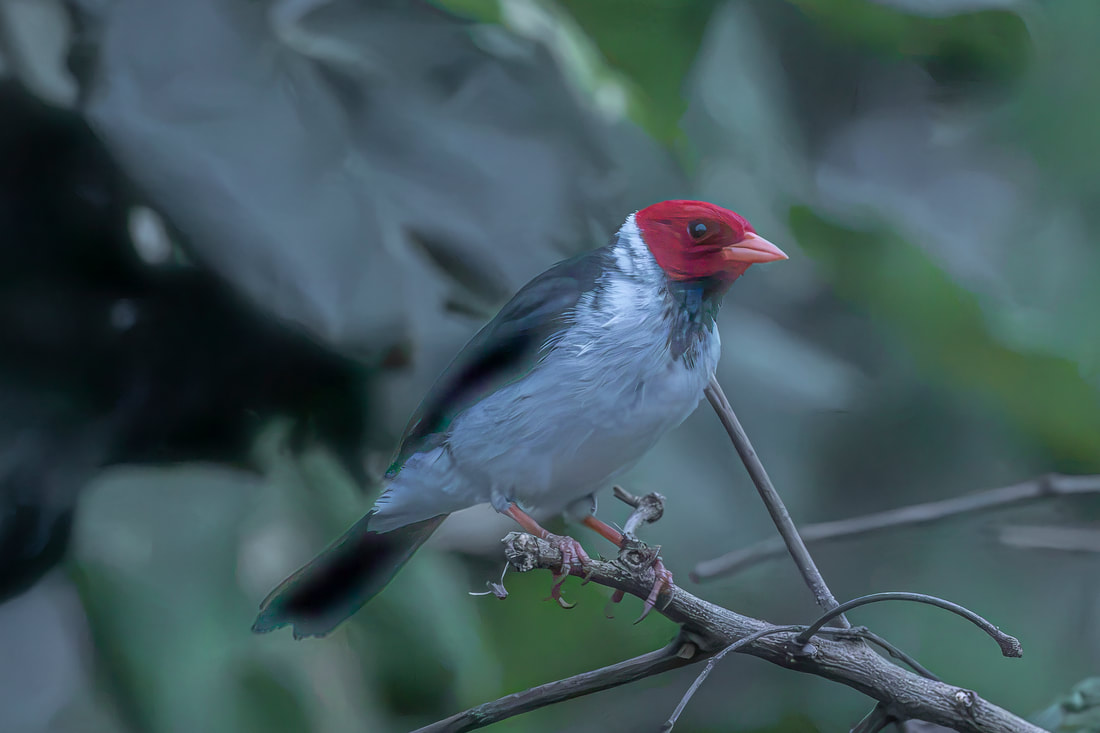
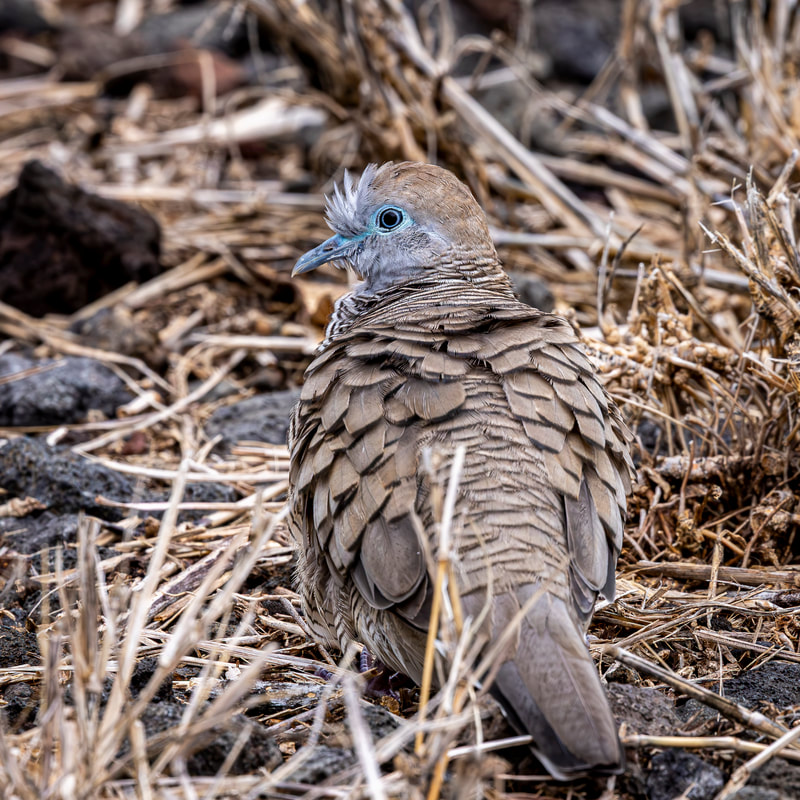
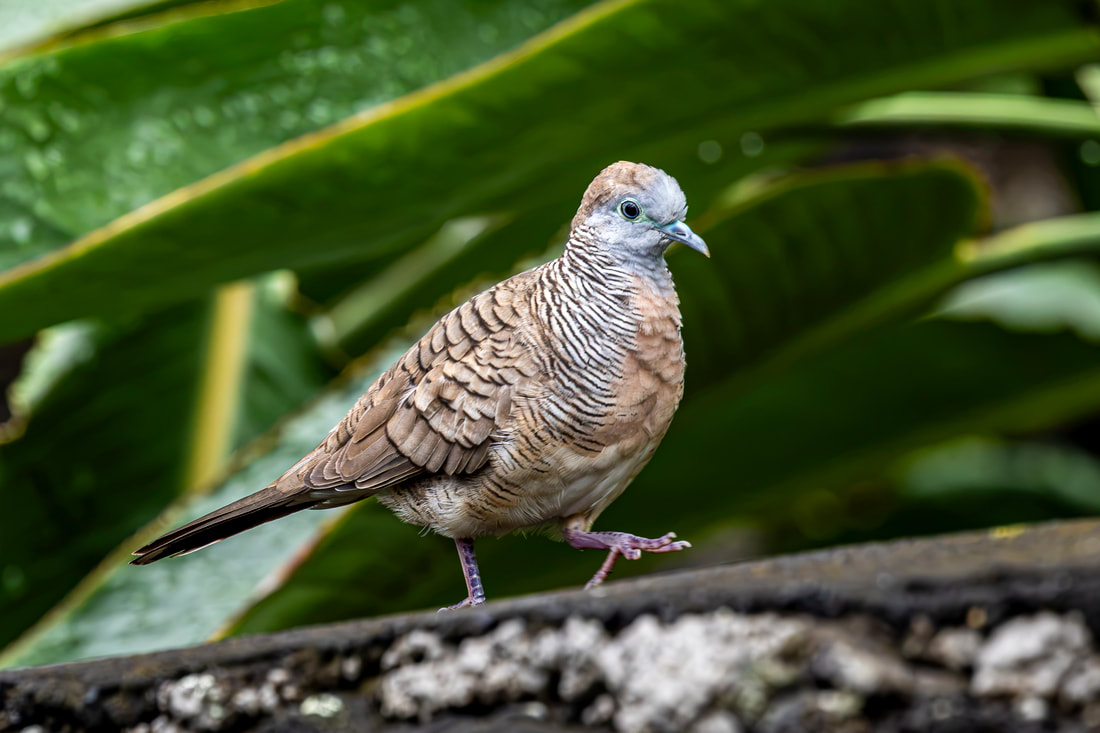
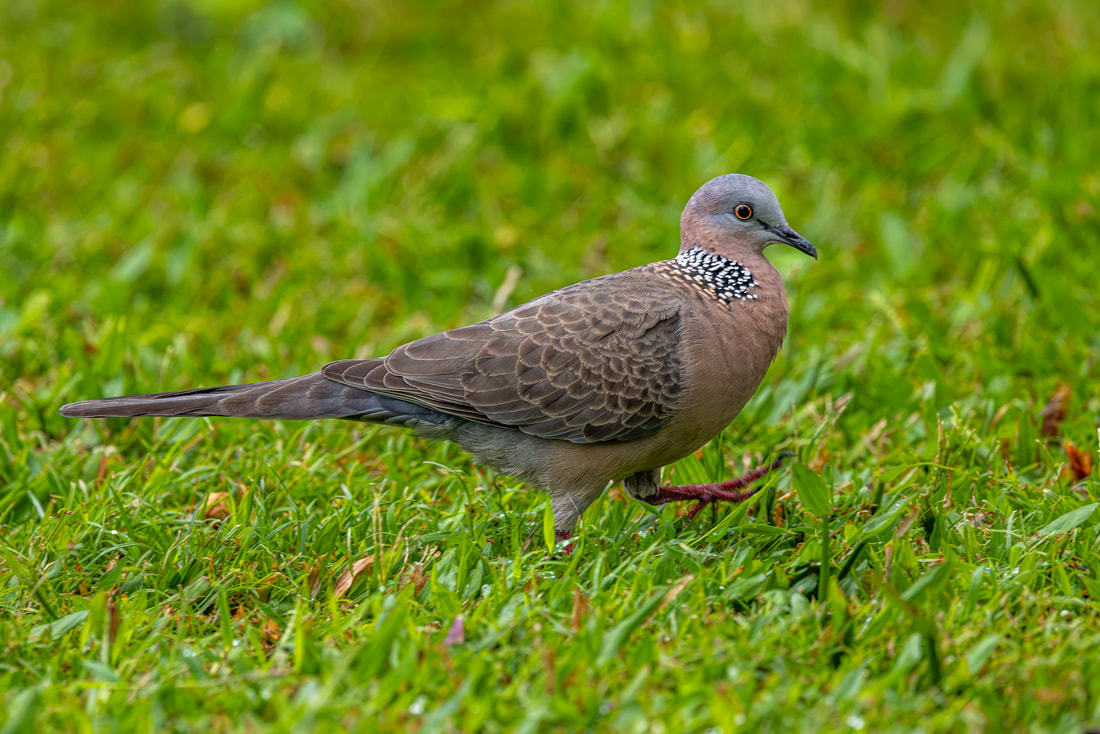
In addition to the special native birds and migrants, Hawaii is unusual in having a huge number of introduced species, from all over the world! Sometimes it's even easier to see these birds in Hawaii than in their native lands! It's not necessarily a good thing to have so many introduced bird species, but where else can you see wild birds native to South America, Africa, and different parts of Asia all in one day! One of my favorites of those "immigrants" was the Javan Sparrow - it's hard to see in its native Java, but easy to see in Hawaii!
Here is the official trip report from Birding Ecotours:
https://www.birdingecotours.com/trip-report/hawaii-trip-report-2026/
And now the sad news... While Hawaii has some of the most incredible birds on the planet, it also has the unfortunate distinction of being the "extinction capital of the world". It is one of the world's most isolated island chains, and over the millennia a paradise-like ecosystem developed, with plants and animals, especially birds, found nowhere else on earth. In a beautiful example of evolutionary radiation, over 50 honeycreeper species evolved from a single species, developing distinct beak shapes to take advantage of different kinds of plant foods. Sadly, most of those species have gone extinct, mostly in the last century. Only 17 honeycreeper species survive today, most are endangered or critically endangered, and four are in imminent danger of extinction. Invasive species like rats and pigs and cats have caused much damage, along with habitat loss, and the greatest danger today is probably avian malaria. Southern House Mosquitos, accidentally introduced in the early 1800s, proliferated across all the main islands and rapidly began transmitting the disease. Some species were able to develop a degree of immunity or live at higher elevations that were too cold for mosquitos, but most did not, with dozens of species going extinct, and others with their populations decimated. To make matters much worse, global warming in recent years has allowed to mosquitos to live at higher altitudes, putting many remaining honeycreepers and other endemics at even greater risk. There is some good news, however. Many organizations, including the American Bird Conservancy (ABC) and the Nature Conservancy (TNC), are working on really interesting and innovative ways to control mosquito populations and other strategies to prevent further extinctions of Hawaii's amazing birds. Below is a long but moving video and a webinar from ABC, and a link to some of the work done by TNC. They explain the situation, risks, innovations, and potential for future successes in preserving bird species in these spectacular but fragile ecosystems. Long but interesting. May bring a tear to your eye :-(. :
https://www.youtube.com/watch?v=hLkLOeGHaDY
https://www.youtube.com/watch?v=TPTZNddcSCM
https://www.nature.org/en-us/about-us/where-we-work/united-states/hawaii/stories-in-hawaii/forest-birds/
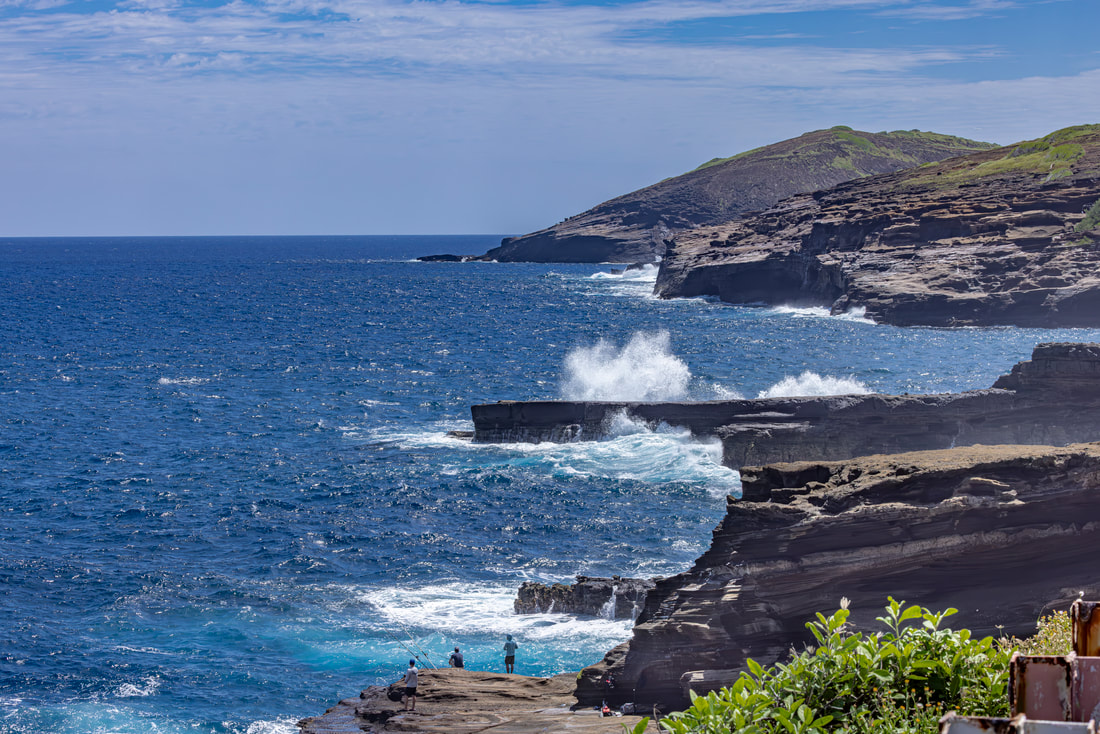
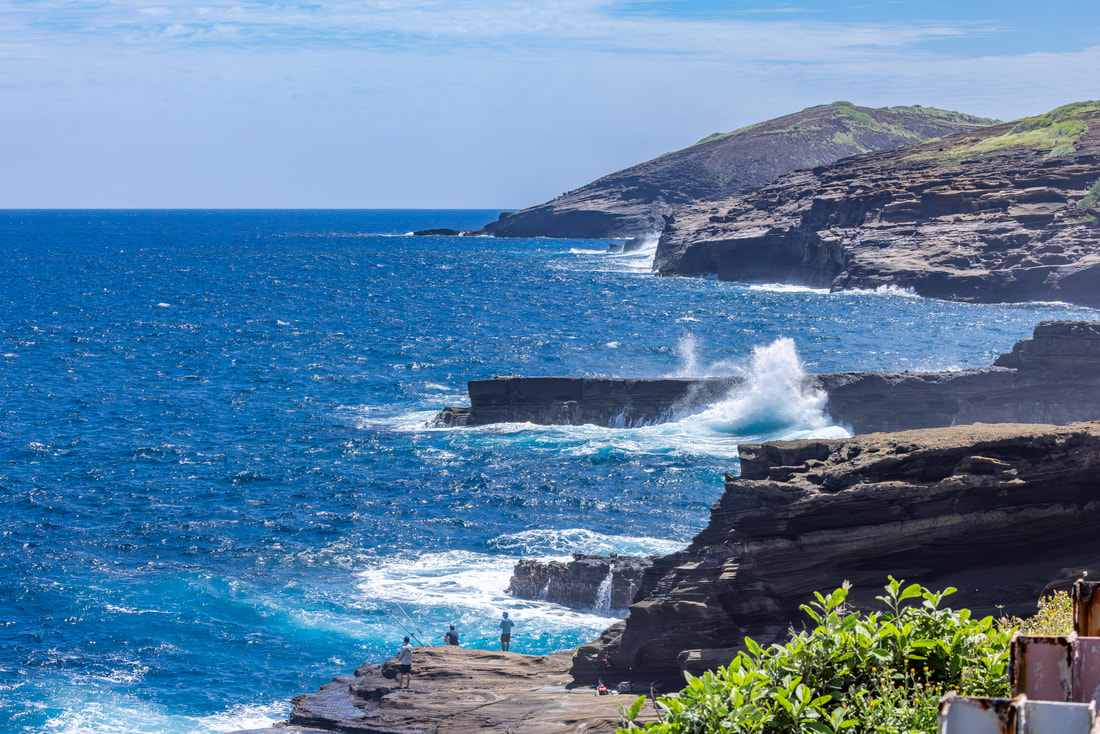
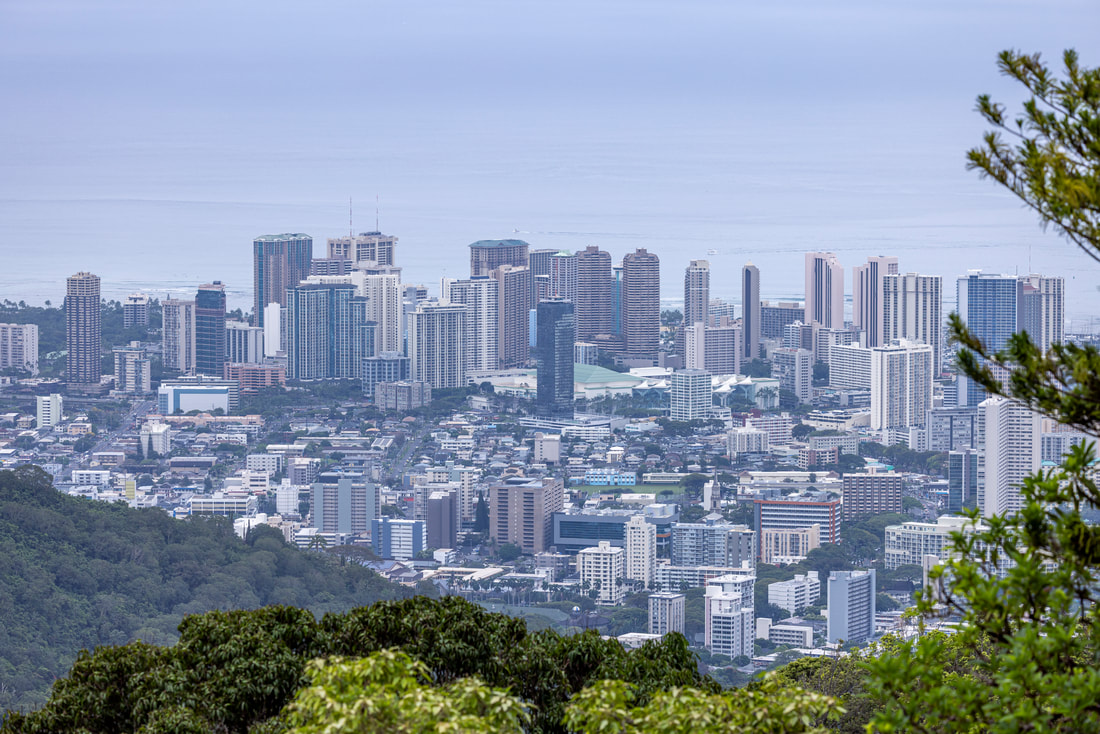
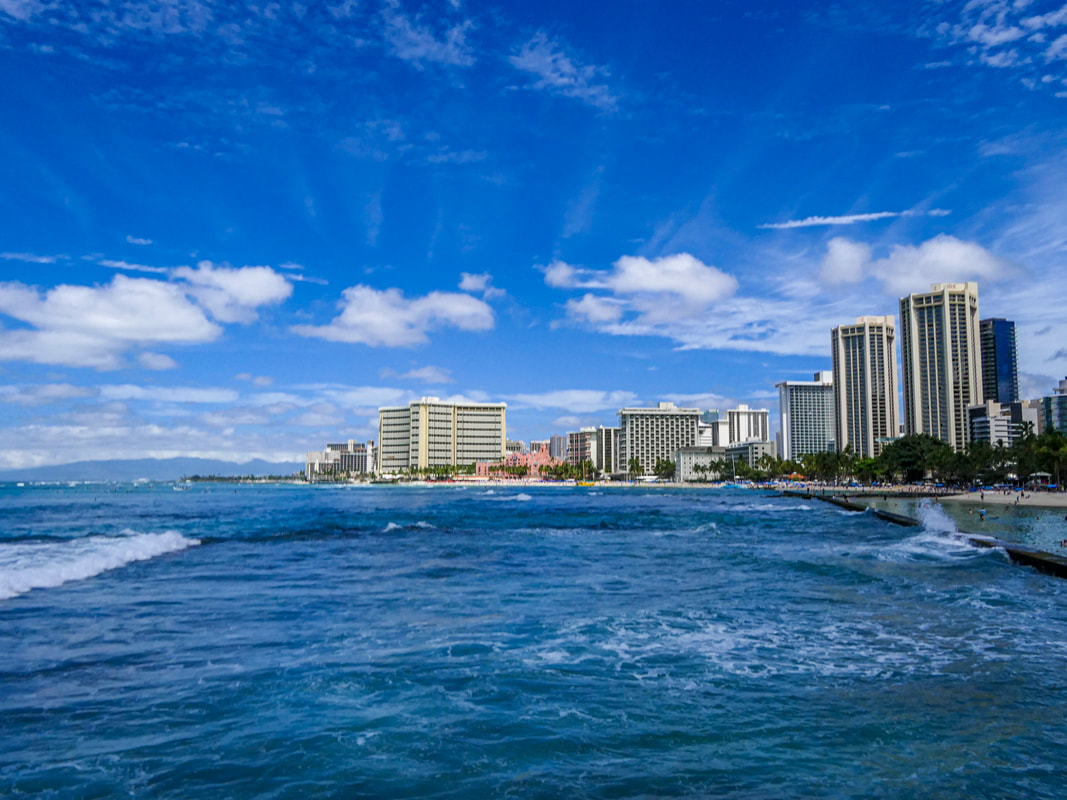
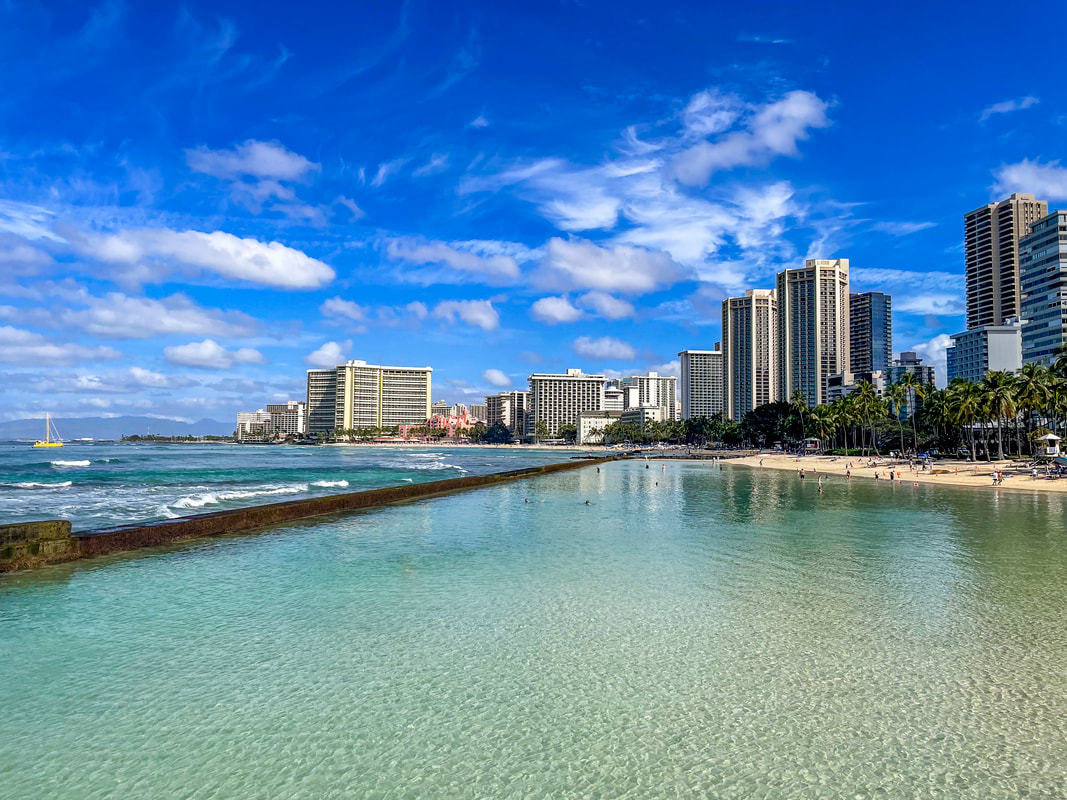
The last day of the trip was a travel day, but my flight was at night, so I spent the day driving around Oahu, visiting the daughter of some friends on the north side, watching some surfing and boogie boarding at Waikiki Beach, and taking LOTS more photos of the beautiful Red-tailed Tropicbirds :-). Great end to an amazing trip!
This was a short but fantastic trip with Chris Lotz of Birding Ecotours, Mandy Talpas and her partners in Hawaii Bird Tours. In about 10 days, in April 2026, we did some amazing birding on Kauai, Hawaii ("Big Island"), and Oahu. This included one boat trip off of Kona on the Big Island, for pelagic sea birds (we had another pelagic planned on Kauai, canceled due to weather). We saw all the endemic species that are realistically "gettable", including the incredible and critically endangered Palila, one of four "finch-billed" Hawaiian Honeycreeper species. The Palila is only found on the slopes of Mauna Kea on the Big Island, and has been mostly pushed into inaccessible areas, but shortly heavy rains before our visit had caused a few individuals to move into reachable areas along the Palila Discovery Trail (Hawaii suffered devastating floods in early 2026 that have adversely affected much birdlife). It rained A LOT while we were there, so much that we actually couldn't bird at all on one day, but we still got to see practically everything we could expect during the other days, and saw most species very well. The "star" birds were the endangered/critically endangered endemics, especially the Hawaiian Honeycreepers like the Palila. I have to say, however, that my favorite bird was probably the 'I'iwi, pronounced eee - eee - vee. Like most native Hawaiian passerines, the name is onomatopoeic, sort of - for some species you have to imagine :-). The 'I'iwi is fairly widespread, found on several islands, but is still classified as "vulnerable". We had great looks at a few of them on the Big Island, hence, lots of photos of the spectacular 'I'iwi in this gallery!
Other specials included the Hawaiian Duck (Koloa Maoli), Hawaiian Goose (Nene), and Hawaiian Hawk ('Io), and thrush ('Oma'o) - all endemics - and some widespread sea birds and shorebirds. Among my favorites were Pacific Golden Plovers, which we saw in multitudes, mostly in beautiful breeding plumage since we were there in early northern spring. They were in parking lots, hotel grounds, everywhere - so beautiful! And another one of my favorites was the Red-tailed Tropicbird. We saw several at a nesting site on the east coast of Oahu. They are truly spectacular birds, graceful and white, with a bright rad bill and two long, hair-like bright red tail feathers, flowing and swooping over the deep blue ocean. Couldn't help myself with photos - there are LOTS here :-) ! Laysan Albatross was another favorite - widespread across much of the northern Pacific Ocean, but commonly seen on land in Hawaii. They even nest in the residential neighborhood in the town of Princeville, northern Kauai!
In addition to the special native birds and migrants, Hawaii is unusual in having a huge number of introduced species, from all over the world! Sometimes it's even easier to see these birds in Hawaii than in their native lands! It's not necessarily a good thing to have so many introduced bird species, but where else can you see wild birds native to South America, Africa, and different parts of Asia all in one day! One of my favorites of those "immigrants" was the Javan Sparrow - it's hard to see in its native Java, but easy to see in Hawaii!
Here is the official trip report from Birding Ecotours:
https://www.birdingecotours.com/trip-report/hawaii-trip-report-2026/
And now the sad news... While Hawaii has some of the most incredible birds on the planet, it also has the unfortunate distinction of being the "extinction capital of the world". It is one of the world's most isolated island chains, and over the millennia a paradise-like ecosystem developed, with plants and animals, especially birds, found nowhere else on earth. In a beautiful example of evolutionary radiation, over 50 honeycreeper species evolved from a single species, developing distinct beak shapes to take advantage of different kinds of plant foods. Sadly, most of those species have gone extinct, mostly in the last century. Only 17 honeycreeper species survive today, most are endangered or critically endangered, and four are in imminent danger of extinction. Invasive species like rats and pigs and cats have caused much damage, along with habitat loss, and the greatest danger today is probably avian malaria. Southern House Mosquitos, accidentally introduced in the early 1800s, proliferated across all the main islands and rapidly began transmitting the disease. Some species were able to develop a degree of immunity or live at higher elevations that were too cold for mosquitos, but most did not, with dozens of species going extinct, and others with their populations decimated. To make matters much worse, global warming in recent years has allowed to mosquitos to live at higher altitudes, putting many remaining honeycreepers and other endemics at even greater risk. There is some good news, however. Many organizations, including the American Bird Conservancy (ABC) and the Nature Conservancy (TNC), are working on really interesting and innovative ways to control mosquito populations and other strategies to prevent further extinctions of Hawaii's amazing birds. Below is a long but moving video and a webinar from ABC, and a link to some of the work done by TNC. They explain the situation, risks, innovations, and potential for future successes in preserving bird species in these spectacular but fragile ecosystems. Long but interesting. May bring a tear to your eye :-(. :
https://www.youtube.com/watch?v=hLkLOeGHaDY
https://www.youtube.com/watch?v=TPTZNddcSCM
https://www.nature.org/en-us/about-us/where-we-work/united-states/hawaii/stories-in-hawaii/forest-birds/
The last day of the trip was a travel day, but my flight was at night, so I spent the day driving around Oahu, visiting the daughter of some friends on the north side, watching some surfing and boogie boarding at Waikiki Beach, and taking LOTS more photos of the beautiful Red-tailed Tropicbirds :-). Great end to an amazing trip!